Choosing the best Truck Inverter in 2026 requires more than comparing wattage and price. Global buyers must examine vehicle voltage, battery chemistry, climate, installation space, and local service support. A 12V inverter may suit a light-duty truck, while a 24V or 48V system can reduce current and cable heating in larger vehicles. Small details matter. A loose terminal can become a serious heat source.
Power-electronics specialist Dr. Markus Keller explains, “The best inverter is not the strongest model; it is the model that matches the vehicle’s real electrical duty.” This principle guides our comparison of pure sine wave, modified sine wave, low-frequency, high-frequency, and inverter-charger designs. Pure sine wave units usually protect sensitive tools, medical equipment, communication devices, and modern chargers more effectively. Modified sine wave models may cost less, but some appliances can run noisily or inefficiently.
Real-world experience also exposes uncomfortable gaps. A product rated at 3,000 watts may not sustain that output inside a hot, poorly ventilated cab. Advertised surge power can confuse buyers. It is only useful when the battery, cables, fuse, and alternator can support it. We will examine these limits closely.
Some choices remain imperfect. No single Truck Inverter fits every route, climate, or budget. European fleets may prioritize compact installation, while remote operators may value repair access and long idle-time performance. This guide compares practical specifications, safety features, efficiency, noise, warranty coverage, and operating conditions, helping buyers make a more defensible decision for 2026.
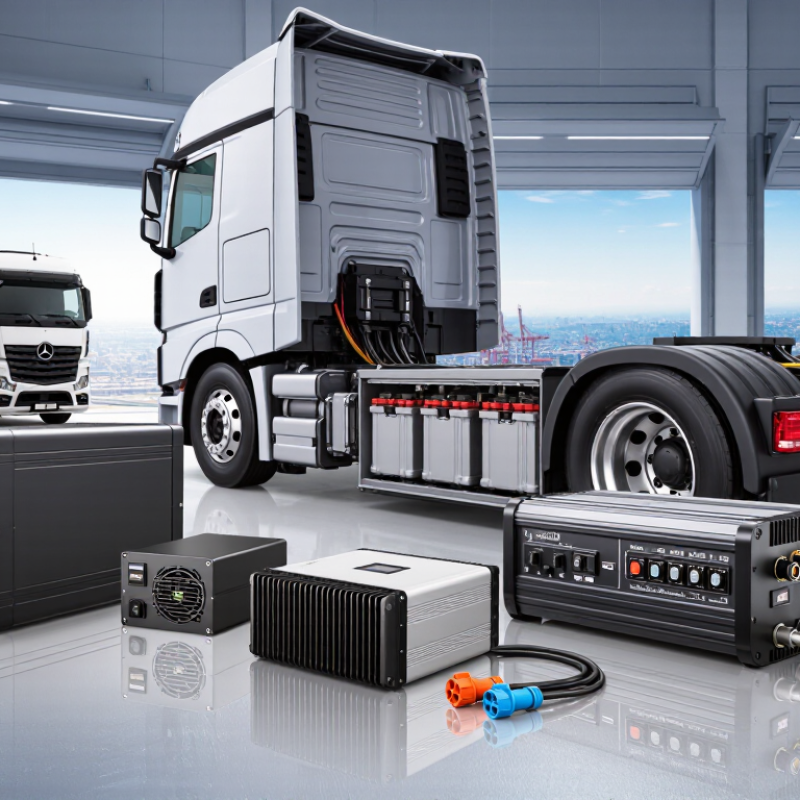
Truck Inverter Basics and Their Role in Modern Freight Vehicles
2026 Best Truck Inverter Types for Global Buyers
Truck Inverter Basics and Their Role in Modern Freight Vehicles
A truck inverter converts battery direct current into alternating current for traction motors and cabin equipment. In electric freight vehicles, it also manages voltage, heat, and power quality. Pure sine-wave inverters suit sensitive tools, refrigeration controls, and communication systems. Modified sine-wave units cost less, but they may create noise, heat, or unstable operation.
The International Energy Agency reported that global electric truck sales increased sharply in 2023, exceeding 50,000 units. This growth makes inverter selection more important for mixed international fleets. A traction inverter must match the battery voltage, motor demand, cooling design, and duty cycle. An auxiliary inverter needs different protection and capacity. Confusing these roles can damage equipment.
Small details matter. A loaded truck climbing a wet mountain road produces very different heat from an empty vehicle on a flat highway. Field engineers should check continuous power, peak power, standby loss, and ingress protection. The ICCT has repeatedly linked electric-truck performance with operating conditions, payload, and climate. That finding deserves attention.
Bidirectional inverters can support regenerative braking and, where permitted, controlled vehicle-to-load functions. Yet those features require compatible batteries, charging systems, and local safety procedures. More power is not automatically better. Oversizing may increase cost and idle losses. Under-sizing causes shutdowns at the worst moment. A careful fleet trial remains wiser than relying only on laboratory figures.
Key Truck Inverter Types for Different Power Requirements
For global truck buyers, inverter choice should follow the real power requirement, not the largest number on the box. A 300–600W modified-sine inverter can run chargers, lights, and small electronics. However, it may cause noise or heat in sensitive equipment. A pure-sine inverter is safer for medical devices, laptops, refrigerators, and communication systems. It usually costs more, but cleaner output reduces operating risk.
Medium-duty work often needs 1,000–2,000W continuously. This range supports printers, pumps, small tools, and refrigeration controls. Heavy tools may require 3,000W or more, especially during motor startup. The International Energy Agency’s Global EV Outlook 2024 highlights rising electrification in commercial transport and greater attention to energy efficiency. The U.S. Department of Energy also notes that accessory loads can affect vehicle energy use and operating range. These findings matter when an inverter runs from a limited auxiliary battery.
Tips: Measure continuous and peak watts separately. Check battery capacity, alternator output, cable length, and fuse ratings. Leave 20–30% headroom. Do not rely only on peak power. In my field experience, undersized cables create more trouble than weak inverter ratings. Installation quality is easily underestimated. A 2,000W inverter can draw over 160 amps from a 12V system at full load, before losses. That calculation is simple, yet buyers sometimes miss it. Conditions vary by climate, duty cycle, and vehicle age. Recheck the design after real-world testing.
2026 Best Truck Inverter Types for Global Buyers
Key truck inverter types for different power requirements
Continuous output ratings are typical market ranges for truck applications. Compact inverters around 300–600 W are suitable for small electronics, while 1,000–1,500 W models support laptops, displays, refrigeration units, and light tools. Heavy-duty 2,000–3,000 W and 4,000–5,000 W pure sine wave inverters are better suited to microwave ovens, larger appliances, pumps, and multiple devices operating at the same time. Actual capacity should be matched to battery voltage, alternator output, cable size, and starting surge requirements.
How to Match Inverter Capacity with Truck Electrical Systems
Matching an inverter to a truck electrical system starts with voltage, not marketing claims. Most trucks use 12V or 24V systems, and the inverter input must match that rating. A 24V inverter on a 12V truck can cause immediate equipment damage. Check the battery label, alternator output, and service manual before purchasing.
List every planned load, including a refrigerator, laptop, heater, or power tool. Add their running watts, then allow 25–30% extra capacity. Motors and compressors may need two or three times their running power during startup. A 1,000-watt continuous inverter may not handle a 900-watt compressor safely. Surge capacity matters. It is easy to overlook.
A practical test is measuring actual current under normal driving conditions. At 12V, a 1,200-watt load can draw more than 100 amps after efficiency losses. That requires short, correctly sized cables, secure terminals, and suitable overcurrent protection. On a 24V system, the current is roughly half, which can reduce cable stress. Still, heat changes the calculation. A cable that feels acceptable in a cool workshop may become dangerous inside a hot engine compartment. I once trusted the label alone and underestimated startup demand. That mistake changed my inspection routine. Buyers should also consider battery age, idle-time limits, ventilation, and local installation requirements. A spreadsheet helps, but real measurements remain necessary.
Safety, Efficiency, and Compliance Standards for Global Markets
For global truck buyers, inverter selection starts with operating conditions, not advertised wattage.
A 12-volt or 24-volt system must match the vehicle’s electrical architecture. In field inspections, loose terminals and undersized cables cause more failures than expected. Use an input fuse near the battery, protected connections, and a clearly rated grounding path. Keep the inverter away from water, exhaust heat, and sleeping areas. Heat matters. Ventilation must remain open when the truck is parked or moving.
A verified pure sine wave output protects sensitive equipment and reduces unwanted electrical noise. Check continuous power, surge capacity, idle consumption, and low-voltage shutdown settings. Efficiency should be measured at the loads used daily, not only under laboratory conditions. A small display showing input voltage and temperature can reveal problems early.
However, product labels sometimes simplify complex performance. A high efficiency figure may not reflect hot weather, long cables, or unstable batteries. That weakness deserves careful review.
Compliance requirements differ across regions and vehicle categories.
Buyers should request safety test reports, electromagnetic compatibility evidence, material declarations, and installation instructions. UN ECE R10 may apply to vehicle-related electronic equipment in certain markets. IEC-based safety testing may also support equipment evaluation, but it does not replace local vehicle assessment. Confirm approval requirements with qualified inspectors or import specialists. Paperwork matters. A certificate alone cannot correct poor grounding, blocked airflow, or improper installation. Rescue vehicles, commercial fleets, and long-haul trucks may require additional checks before deployment.
Selection Criteria for Buyers Comparing Truck Inverter Models
2026 Best Truck Inverter Types for Global Buyers
Truck inverter selection is not a wattage contest. For global buyers, the real test is daily performance under heat, vibration, and unstable input voltage. The International Energy Agency’s Global EV Outlook 2024 reports that electric truck sales grew by about 35% in 2023. The ICCT’s 2024 zero-emission truck analysis also shows faster deployment across major freight markets. That growth makes careful inverter comparison more important.
Start with the output waveform. Pure sine wave inverters suit refrigeration units, medical equipment, chargers, and sensitive control systems. Modified sine models may cost less, but they can create noise, heat, or poor motor performance. Check continuous output, not only the advertised peak. Surge ratings matter during compressor startup. A 2,000-watt load may briefly demand twice that power.
Input voltage is another practical filter. A 12-volt system suits lighter trucks, while 24-volt or 48-volt systems reduce cable losses in high-power applications. Thermal protection, low-voltage shutdown, idle consumption, and electromagnetic compatibility require equal attention. Look for testing aligned with UNECE R10 and ISO 16750. Field conditions are messy. A clean laboratory result can disappoint on a dusty mountain route. I would also question optimistic efficiency claims without load-range data. Efficiency at 90% load tells little about overnight standby use. Service documentation and regional safety certification deserve review, even when the price looks attractive.
FAQS
Check whether the truck uses 12V or 24V power. The inverter input must match exactly. Verify the battery label and service manual.
Add the running watts of every device. Include refrigerators, laptops, heaters, and tools. Add 25–30% extra capacity for normal variation.
Motors and compressors can briefly require two or three times their running power. A 900-watt compressor may overload a 1,000-watt inverter.
On a 12V system, it can exceed 100 amps after efficiency losses. Use short cables, secure terminals, and suitable fuse protection.
Usually, yes. The same power draws roughly half the current at 24V. Cable heating still matters, especially near a hot engine.
Keep it away from water, exhaust heat, and sleeping areas. Leave ventilation openings clear when parked or driving.
Verified pure sine wave output generally protects sensitive electronics. Check continuous power, surge capacity, idle consumption, and shutdown settings.
Not completely. Heat, long cables, and weak batteries can reduce efficiency. Measure performance with the devices used every day.
Request safety reports, electromagnetic compatibility evidence, material information, and installation instructions. Regional requirements can differ.
No. Poor grounding, blocked airflow, or loose terminals can still cause failures. I once trusted labels too much. Real measurements changed my inspection routine.
Conclusion
A Truck Inverter is an essential component in modern freight vehicles, converting battery power into usable AC electricity for equipment such as tools, refrigeration units, communication devices, and cabin appliances. This guide explains the main inverter types, including modified sine wave and pure sine wave models, and shows how their capabilities suit different power demands. It also highlights the importance of matching inverter capacity with the truck’s battery voltage, alternator output, wiring, and expected load to support reliable operation without unnecessary energy loss.
For global buyers, selecting a suitable Truck Inverter requires careful attention to safety, efficiency, thermal management, protection features, and relevant electrical compliance requirements. Buyers should compare continuous and peak power ratings, installation flexibility, operating temperature range, standby consumption, durability, and maintenance needs. A well-matched inverter can improve energy use, protect connected equipment, and provide dependable power during long-distance transport, making it a practical investment for varied freight and vehicle applications.

 PASS POWER