Explore our high-performance power conversion systems certified to meet international standards for reliability and durability.
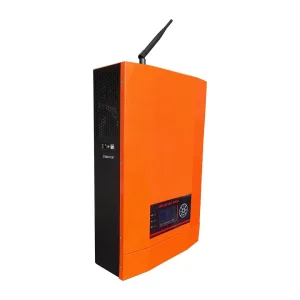
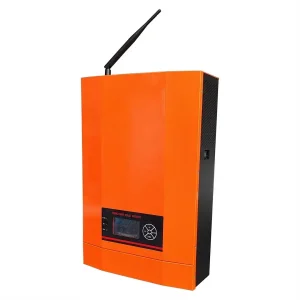
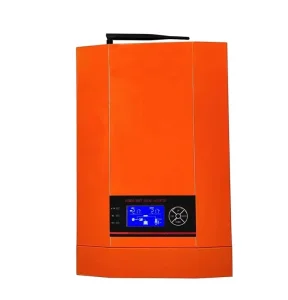
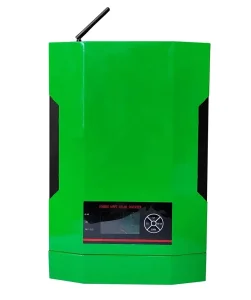
Modern utility networks require inverters to support bidirectional grid stability. Today's commercial units must manage reactive power compensation, facilitate dynamic voltage regulation, and provide rapid shutdown capabilities to comply with evolving global utility interconnection standards.
System designers select between high-frequency and low-frequency inverters. High-frequency models minimize footprint and weight using modern MOSFETs, achieving up to 95% efficiency. Low-frequency systems employ robust transformers to handle massive current spikes and load surges in remote or heavy-industrial environments.
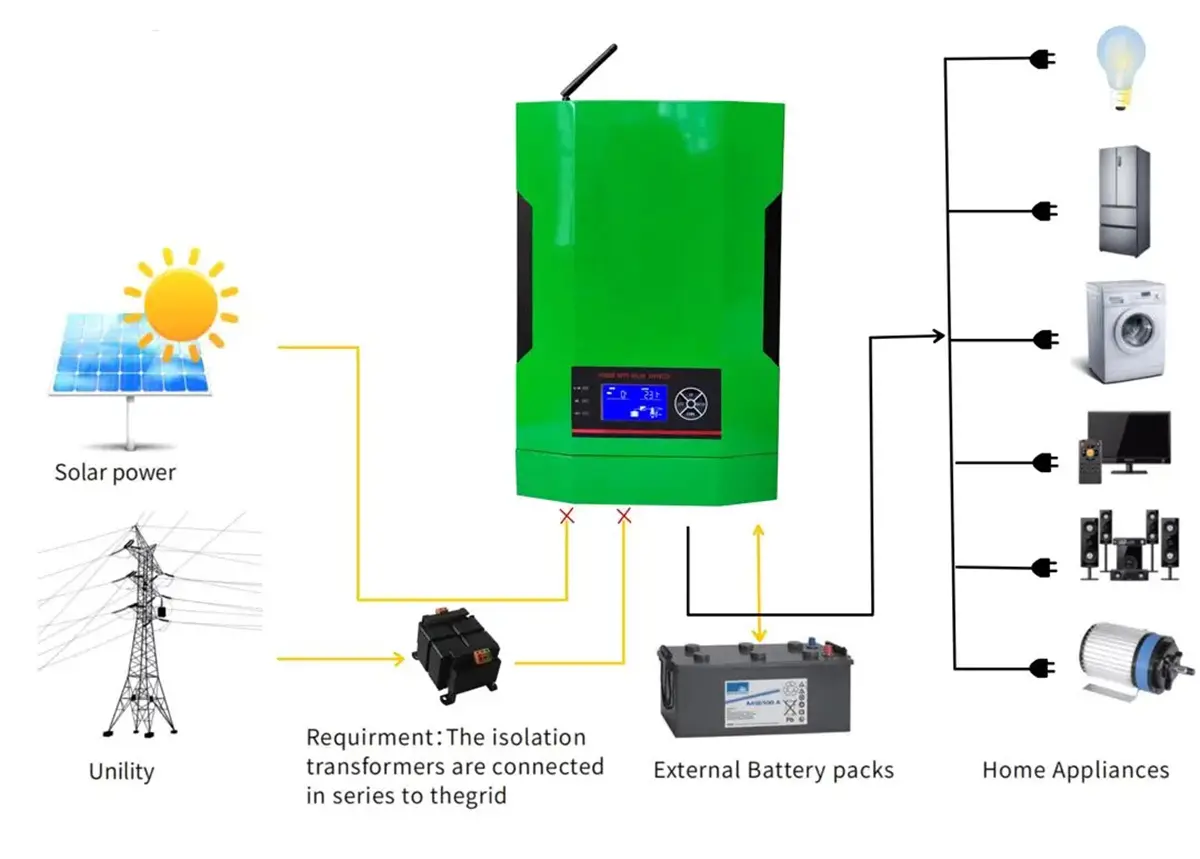
IoT integrations and AI-driven MPPT algorithms dynamically track the maximum power point under shifting atmospheric conditions. Modern installations rely on integrated Wi-Fi and Modbus monitoring systems to analyze performance data in real-time and predict maintenance needs.
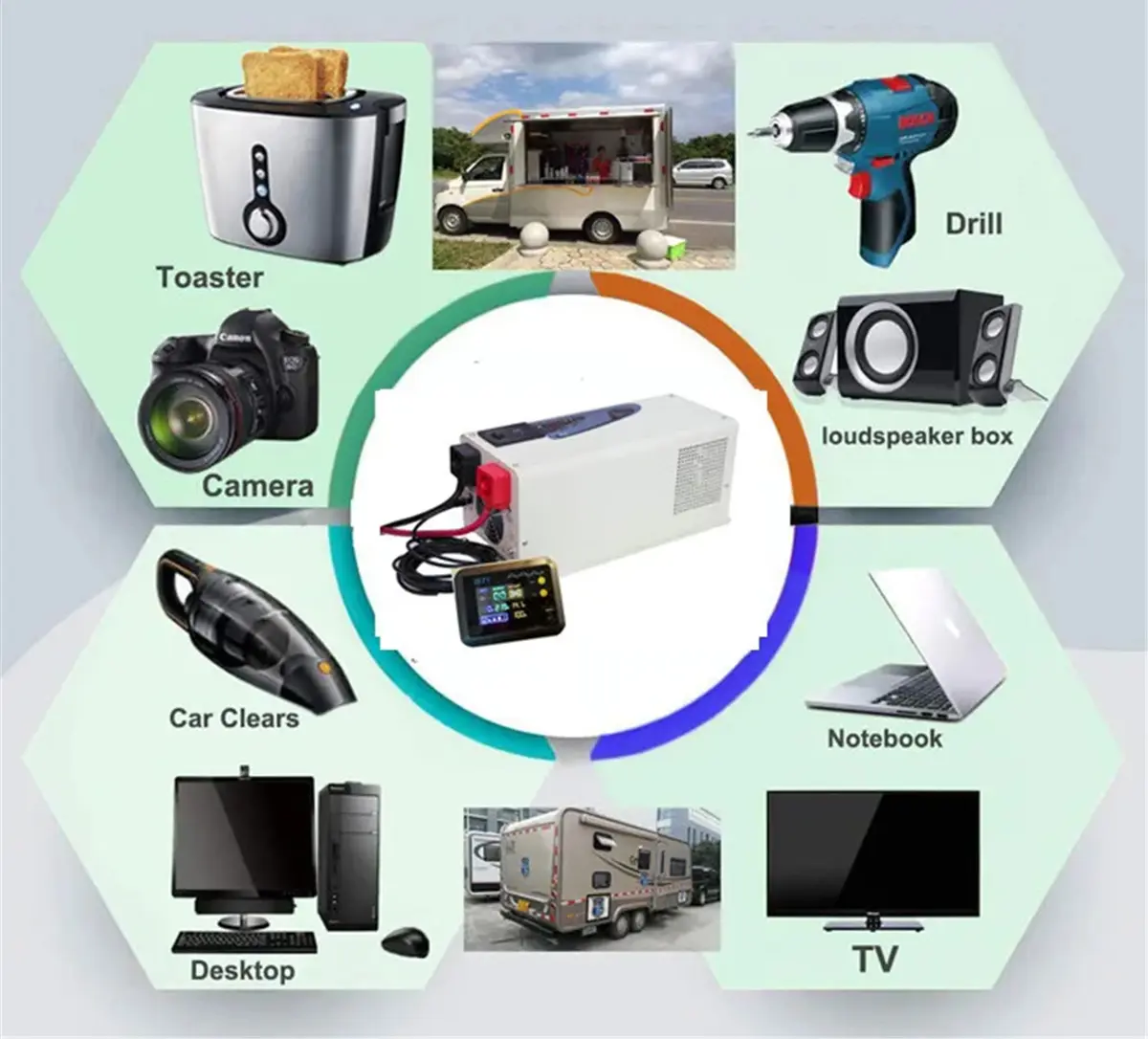
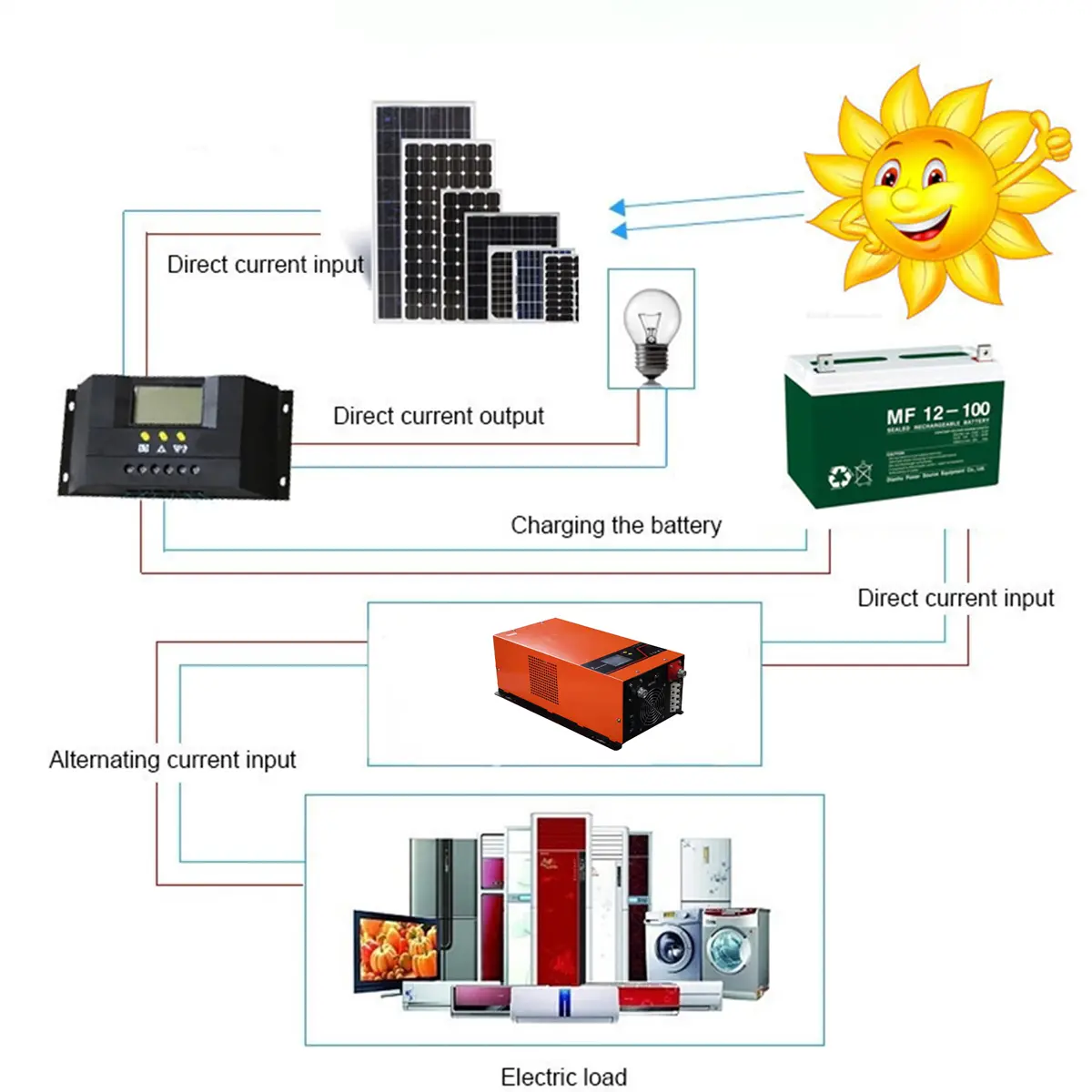
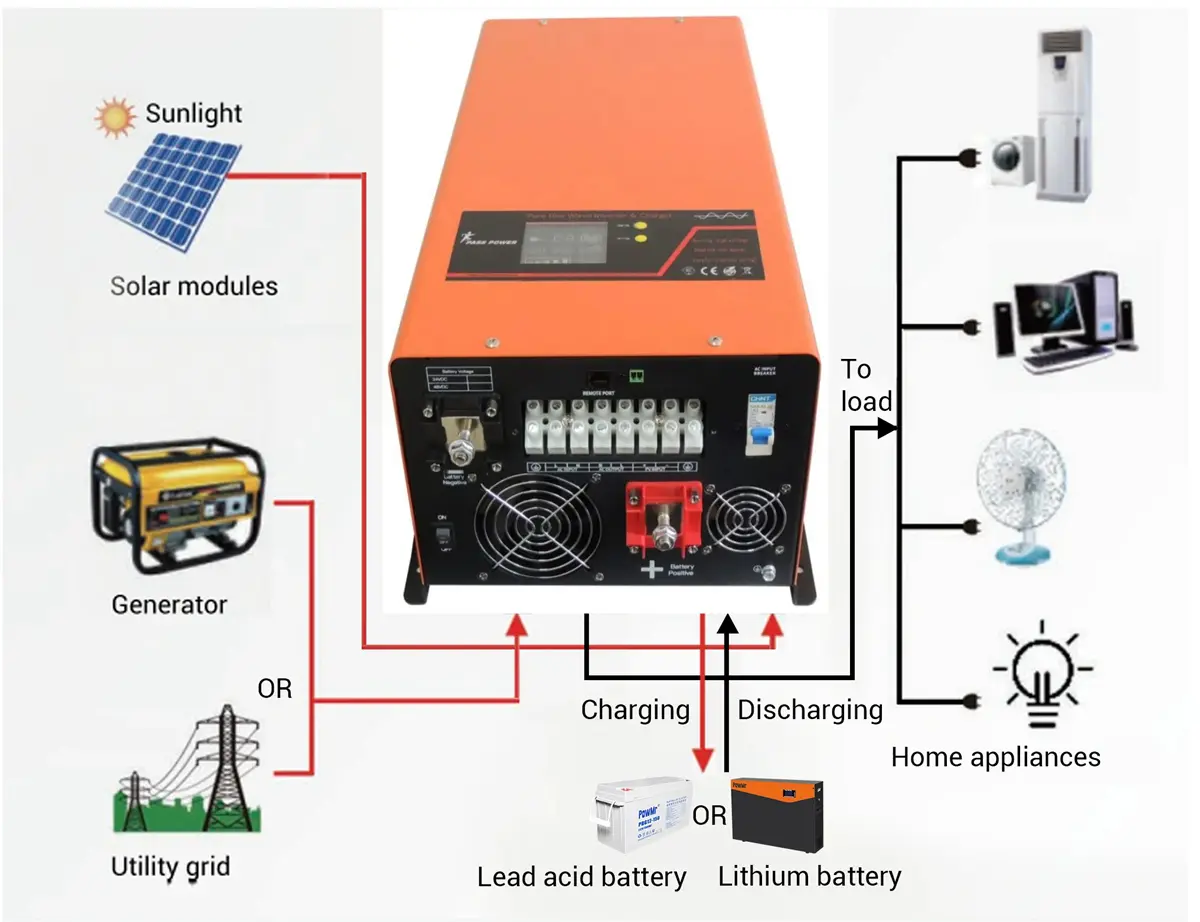
In developing regions and remote territories, electrical grids are often either unstable or nonexistent. Industrial-grade pure sine wave off-grid hybrid inverters bridge this gap by pairing solar generation with battery storage. These systems isolate delicate loads from local utility instability, offering stable electricity for applications ranging from telecommunications towers to agricultural pump systems and remote field hospitals.
Leveraging advanced manufacturing clusters and engineering expertise to supply reliable power conversion systems to international markets.
Established in 2012, Suzhou Maili Electrical Appliance Co., Ltd. has developed over 13 years into a high-tech manufacturing enterprise focused on power inverters, battery chargers, and power supplies. Our factory in Suzhou spans 2,770 square meters and houses two advanced assembly lines, giving us the scale and precision to deliver robust hardware globally.
We maintain a comprehensive quality control framework certified under the ISO 9001:2015 standard. Our product lines hold international safety and quality certifications, including CE, RoHS, IP30, and SGS ratings, assuring compliance with global import standards.
Production Excellence: Our production process incorporates multi-stage quality control checks, automated component placement, and comprehensive load-bank testing to ensure every inverter performs reliably under field conditions.
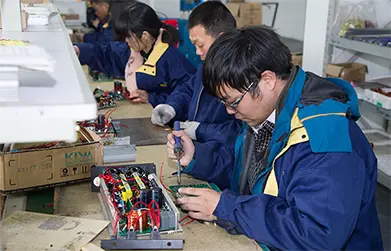
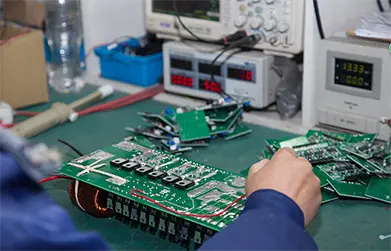
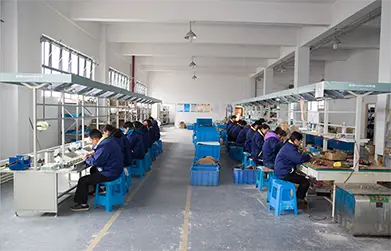
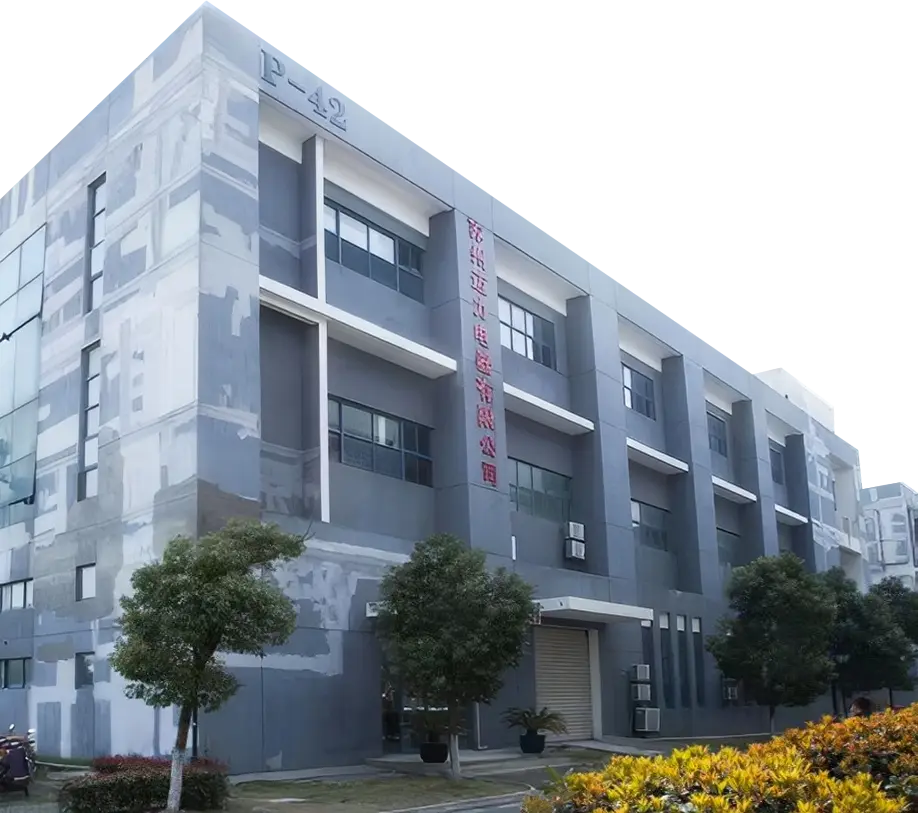
We deliver custom-engineered power electronics configured to meet the specific technical demands of your local market and grid system.
Adjustable settings to handle nominal grid inputs and outputs: 110V, 120V, 220V, 230V, and 240V AC ranges.
Optimized charging and discharging current ranges to suit varying battery chemistries, including AGM, Gel, and LiFePO4.
Custom cabling connections and dedicated terminal blocks to support rapid field deployment and electrical code compliance.
Integrate CANbus, RS485, and Modbus communication channels to match local building management and telemetry setups.
Available in multiple chassis colors and ruggedized materials, including IP30-rated protection against airborne dust.
Configurable connection pins designed to safely interface with varied solar array combiners and battery banks.
Equipped with international socket types, including US, EU, UK, and Australian standards, ensuring local equipment compatibility.
Tailored user interfaces, menu navigations, and system telemetry readouts configured to match brand guidelines.
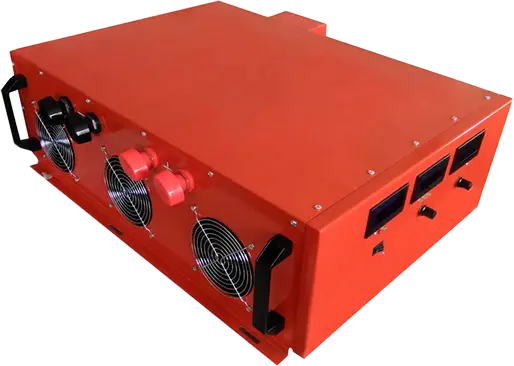

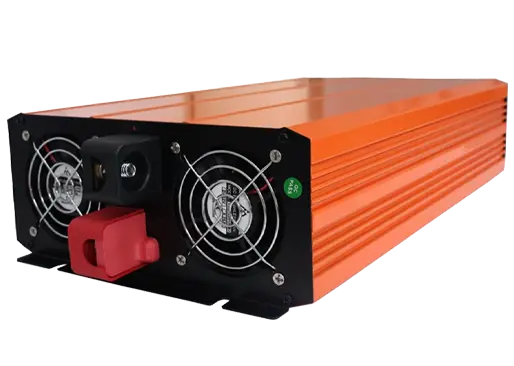
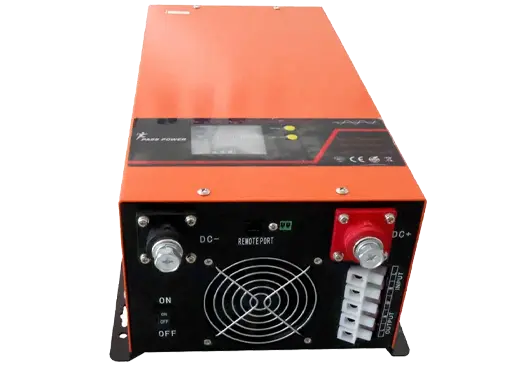
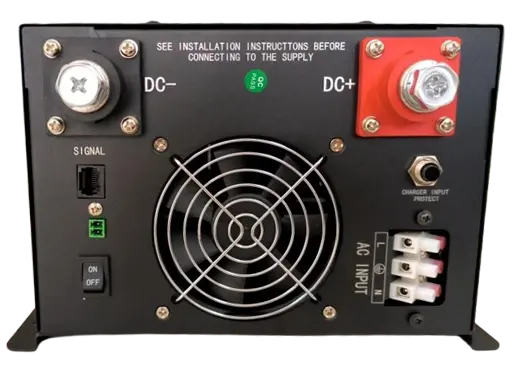
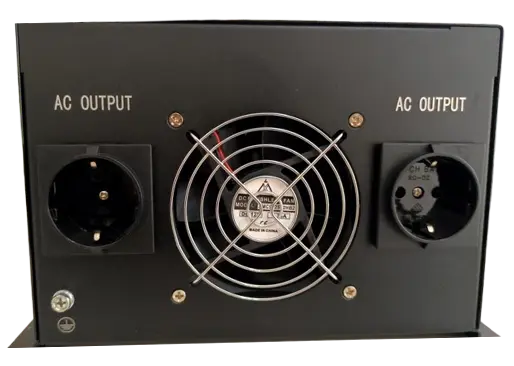
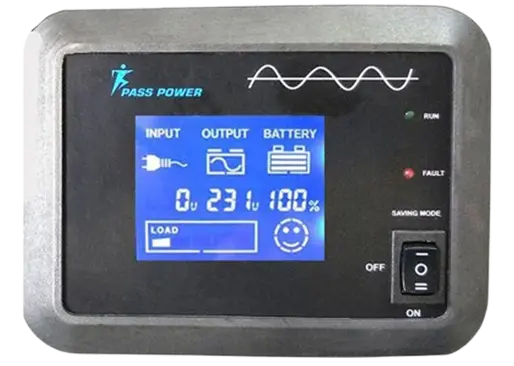
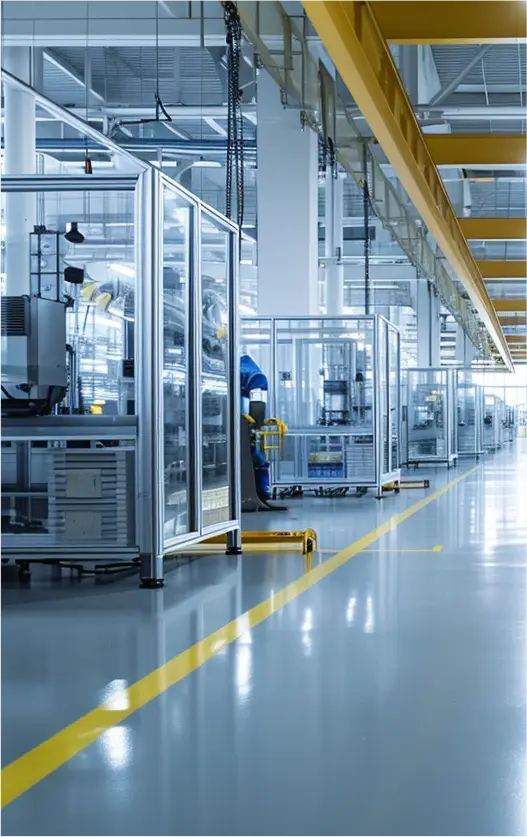
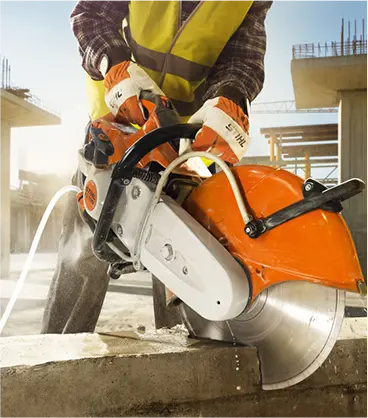
From heavy duty industrial power systems to off-grid mobility, our products are engineered for sustained operation in demanding environments.
Always verify compliance certifications before importing equipment. Quality hardware should carry recognized standards like CE (EN62109) for European distribution, RoHS for restriction of hazardous substances, SAA for Oceania, and CB reports for global markets. A partner with established certifications reduces customs hold-ups and guarantees installation safety.
Inverters installed in hot or humid environments face thermal stress that can shorten component lifespans. Look for systems built with smart cooling fans, corrosion-resistant housings (such as IP30-rated steel enclosures), and high-grade capacitors capable of operating at elevated internal temperatures.
A lower self-consumption rate means more energy reaches the load. Highly optimized circuits can limit idle power draw to less than 1.5% of their rated output, improving system-wide efficiency and preserving battery levels during low-insolation periods.
In utility-scale and remote commercial projects, installation and maintenance costs often exceed initial equipment prices. Opting for a low-cost, uncertified unit can lead to early component failure, resulting in expensive site visits and service downtime. Partnering with manufacturers like Suzhou Maili—who utilize premium copper transformers, advanced semiconductor chips, and strict quality control processes—helps lower the Total Cost of Ownership and protects your project ROI over a multi-decade operating life.
We prioritize transparency and long-term support, helping clients across North America, Europe, and Central Asia build reliable solar installations.
"I have purchased many times and am very satisfied with their product quality and after-sales service. The low-frequency units perform reliably under high start-up surge currents."

"I have bought 4 of these inverters and the build quality and performance is excellent. I had one minor issue due to shipping damage, and they quickly sent a replacement board that I could install myself. Still working well after 5 years."

We provide sample units for verification, laboratory assessment, and field testing before starting volume production.
We warrant our products against defects in materials and workmanship, covering solar controllers and inverter-charger units.
Access 24-hour engineering support to assist with troubleshooting, component selection, and design sizing.
Leverage our 12+ years of manufacturing experience, backed by ISO9001 and ISO14001 certified production lines.
Detailed answers to technical and operational questions regarding modern inverter systems.
High-frequency inverters utilize high-speed electronic switching elements to step up DC voltage before converting it to AC, allowing for a compact, lightweight chassis with up to 95% efficiency. They are suitable for home electronics, lighting, and moderate resistive loads.
Low-frequency inverters use a large, robust iron-core transformer. This design is heavier and consumes slightly more idle current but provides excellent peak surge tolerance (often up to 300% of rated capacity) and isolates systems from inductive voltage spikes, making it ideal for large electric motors, refrigeration compressors, and heavy industrial machinery.
Maximum Power Point Tracking (MPPT) is an electronic tracking mechanism that matches the electrical output of solar panels to the optimal voltage of the battery bank. By adjusting operating voltages dynamically, MPPT controllers can harvest up to 30% more power from solar arrays compared to older PWM systems, especially during overcast days or seasonal temperature drops.
Pure sine wave inverters deliver AC power that matches or exceeds the quality of grid electricity. The Total Harmonic Distortion (THD) is kept under 3%, which prevents overheating and damage in inductive motors, ensures quiet fan operation, and protects precision electronics like laptops, medical equipment, and audio systems from electrical noise.
Industrial installations require multiple protective layers. Look for systems equipped with short-circuit isolation, over-temperature thermal shutdowns, low/high battery voltage disconnects, over-voltage input clamps, and anti-islanding protection to prevent feeding power back into the grid during a local blackout.
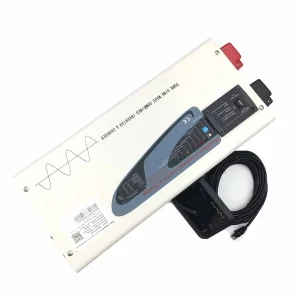
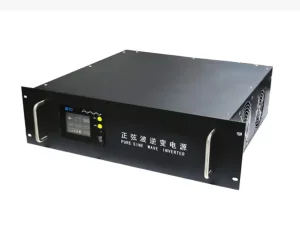
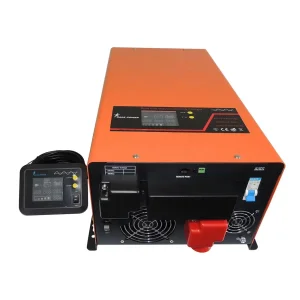
From space-saving wall mounts to high-capacity 3-phase systems, explore our specialized power equipment.
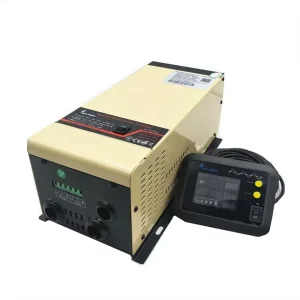
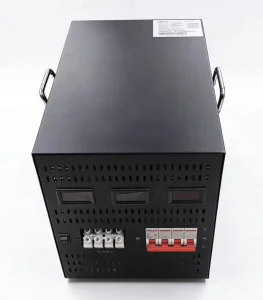
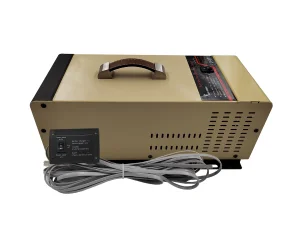
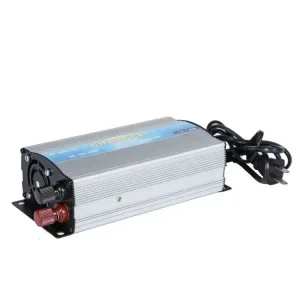
Partner with Suzhou Maili Electrical Appliance Co., Ltd. for reliable engineering, certified products, and dedicated commercial supply chains.
GET QUOTE
 PASS POWER