When considering a Solar PV Inverter, it's essential to recognize its pivotal role in your solar energy system. Renowned industry expert Dr. Emily Renewable, a leading consultant in sustainable energy, emphasizes, "Choosing the right Solar PV Inverter is as important as selecting the solar panels themselves." This insight resonates with many homeowners and businesses embarking on their renewable energy journey.
A Solar PV Inverter converts the direct current (DC) generated by solar panels into alternating current (AC) for use in homes and businesses. The inverter’s efficiency can significantly impact overall system performance. Different inverters suit different needs, and understanding this is crucial. For example, some inverters offer higher efficiency rates but come at a higher cost.
Selecting a Solar PV Inverter may feel overwhelming. The market offers numerous options with varying technologies, features, and price points. It's important to balance performance, warranty, and cost. Reflecting on personal energy needs is vital. Customizing your choice can prevent potential regrets. The right decision can enhance energy savings and long-term satisfaction while supporting a cleaner environment.
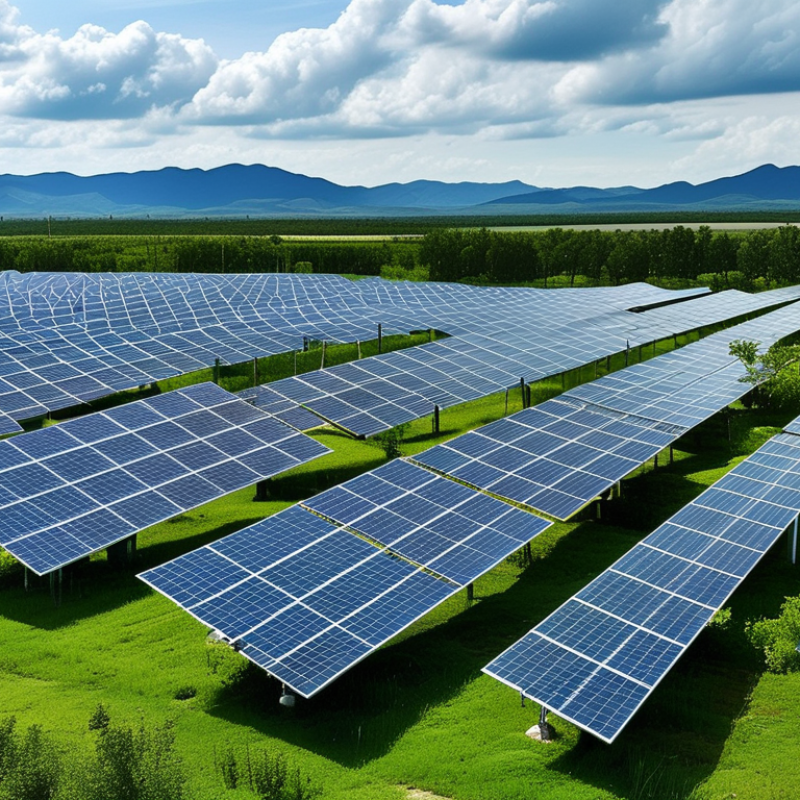
Understanding the Basics of Solar PV Inverters
Understanding solar PV inverters is essential for anyone considering solar energy. These devices convert DC electricity generated by solar panels into AC electricity for home use. This process is critical for integrating renewable energy into daily life. Without the right inverter, even the most efficient solar panels can't perform optimally.
There are different types of solar inverters: string inverters, microinverters, and power optimizers. Each has unique advantages and disadvantages. For instance, string inverters are cost-effective but may struggle with shading issues. Microinverters, on the other hand, offer better performance in partially shaded situations but at a higher initial cost. Evaluating your specific needs is crucial in making the right choice.
Installing a solar inverter also requires consideration of efficiency ratings and warranty periods. An inverter with a high efficiency rating maximizes energy production, whereas a robust warranty ensures long-term reliability. However, it’s important to remain realistic about potential challenges. Technology evolves rapidly, and what seems best today may not be so in a few years. Taking time to research and even reconsider existing choices can lead to a more informed decision.
How to Choose the Right Solar PV Inverter for Your Needs?
| Inverter Type |
Efficiency (%) |
Power Output (kW) |
Features |
Price Range ($) |
| String Inverter |
95-98 |
3-10 |
Cost-effective, easy to install |
1000-2500 |
| Micro Inverter |
95-96 |
0.25-2 |
Individual module monitoring, shade tolerant |
150-300 |
| Power Optimizer |
95-97 |
1-10 |
Enhanced performance monitoring, module-level optimization |
600-1200 |
| Hybrid Inverter |
90-95 |
3-10 |
Battery integration, grid-tied, off-grid capabilities |
1500-4000 |
Types of Solar PV Inverters and Their Applications
When selecting a solar PV inverter, it's crucial to understand the types available.
There are mainly three categories: string inverters, microinverters, and power optimizers.
String inverters are the most common. They connect multiple solar panels in a single string.
This setup can be cost-effective but may not be ideal if your panels receive varied sunlight.
Microinverters offer increased efficiency. Each panel has its inverter. This design helps maximize energy production even in shaded conditions. However, they tend to have higher upfront costs. Power optimizers fall between these two. They work at the panel level but still connect to a string inverter. This arrangement allows for better performance monitoring.
Tip: Consider your roof's layout. If it has multiple angles or obstructions, microinverters or power optimizers may perform better.
Keep in mind that not all inverters are created equal. Some may not handle high heat well, while others may lack monitoring features. Read user reviews to find potential issues. Also, think about the warranty period. Extended warranties often indicate manufacturer confidence.
Tip: Check your local climate. The inverter's temperature rating should match your area's conditions. Too much heat can reduce efficiency and lifespan.
Key Factors to Consider When Selecting a Solar Inverter
Choosing the right solar PV inverter is crucial for your solar energy system. Several key factors should guide your decision. One of the most important aspects is efficiency. Higher efficiency translates to better energy conversion, maximizing your savings over time. Look for inverters with efficiencies above 95%. This can significantly impact your system's overall performance.
Another factor to consider is compatibility. Ensure that the inverter you choose fits well with your solar panels. Pay attention to the voltage and power ratings. Mismatched components can lead to poor performance or even system failure. Understand your energy needs and select an inverter that can handle your specific consumption patterns.
Monitoring capabilities are also essential. Many modern inverters come with apps, giving you real-time data. This helps track energy production and identify issues quickly. However, not all models excel in this area. Review user feedback on monitoring features. It's vital to weigh the importance of these features against your budget. Making a thoughtful choice can lead to a reliable and efficient solar solution for your home or business.
Evaluating Efficiency and Performance Ratings of Inverters
When choosing a solar PV inverter, efficiency and performance ratings become crucial. Efficiency indicates how well the inverter converts solar energy into usable electricity. Look for inverters with high percentages, typically above 95%. This rating directly impacts your energy production. Performance ratings also reflect an inverter’s reliability over time. They consider losses caused by shading, temperature, and other factors.
It's essential to evaluate these ratings during your selection process. Many inverters display an “EU efficiency” rating, which offers a realistic benchmark. A slightly lower rating may result in reduced energy output. Still, other aspects like durability and warranty should not be overlooked. Some inverters may perform well initially, but issues can arise later.
Don’t hesitate to dig deeper by reading reviews and seeking expert opinions. User experiences reveal limitations and strengths often missed in technical specs. Understanding these insights can guide your choice, helping you find the best inverter for your specific needs. Balancing efficiency with overall performance will lead you to a more satisfactory investment in renewable energy.
Installation and Maintenance Considerations for Solar Inverters
When it comes to solar inverters, installation and maintenance are crucial for optimal performance. Proper installation ensures the inverter operates efficiently, converting solar energy into usable power. According to the National Renewable Energy Laboratory, improper installation can reduce system efficiency by up to 30%. Make sure the inverter is installed in a shaded, well-ventilated area to avoid overheating.
Regular maintenance is essential. Check for dust accumulation and ensure that all connections are secure. The U.S. Department of Energy suggests scheduling maintenance at least once a year. This can prevent larger issues that might require costly repairs. In addition, monitoring performance through a solar monitoring system can help spot problems early.
Tips:
- Always consult a professional for installation to meet safety standards.
- Keep the inverter clean and accessible for easier maintenance checks.
- Document any maintenance or repairs for future reference.
These steps enhance reliability and help maintain efficiency over time. Remember, even small neglect can lead to significant losses in energy production.
FAQS
: Solar PV inverters convert DC electricity from solar panels into AC electricity for home use.
The main types are string inverters, microinverters, and power optimizers. Each offers different advantages.
String inverters can struggle with shading, which affects energy production negatively.
Microinverters maximize energy production, even in partially shaded conditions, but have higher initial costs.
Higher efficiency leads to better energy conversion, maximizing savings and improving overall system performance.
A robust warranty indicates reliability and manufacturer confidence, but it’s vital to read the details carefully.
Not all inverters perform well in high heat, so selecting an appropriate model for your climate is crucial.
Monitoring features provide real-time data, helping track energy production and identify issues quickly.
Technology evolves rapidly, and what works well today may not be the best choice in a few years.
Ensure the inverter matches your solar panels' voltage and power ratings to avoid performance issues.
Conclusion
Choosing the right Solar PV Inverter is crucial for optimizing the performance of solar power systems. Understanding the basics of solar PV inverters, including the different types available such as string inverters, microinverters, and power optimizers, helps homeowners and businesses select the best option for their specific applications. Key factors to consider include system size, energy needs, and budget.
Evaluating efficiency and performance ratings is also essential, as these aspects significantly affect the overall energy output. Moreover, proper installation and ongoing maintenance play a vital role in maximizing the lifespan and effectiveness of the solar PV inverter. By considering these elements, users can make informed decisions that enhance their solar energy solutions.

 PASS POWER