In the realm of renewable energy, the "Low Frequency Solar Inverter" plays a crucial role in enhancing efficiency. Renowned expert Dr. Emma Smith, a leading engineer in solar technology, emphasizes, "Embracing low frequency systems can lead to significant cost savings and improved energy output." This statement brings to light the importance of understanding these inverters for optimal performance.
Low frequency solar inverters convert DC power from solar panels to AC power for home use. They are typically favored for their durability and ability to function effectively in various environments. However, many users overlook the subtleties of their operation. For instance, selecting the right inverter size and ensuring proper installation can dramatically affect energy output.
Many homeowners feel overwhelmed when choosing a low frequency solar inverter. The market is flooded with options, making it tough to distinguish the best choice. It’s essential to consult with experts and consider personal energy needs. Customers often realize that minor adjustments can enhance efficiency. Understanding how these inverters function is the key to reaping the benefits of solar energy.
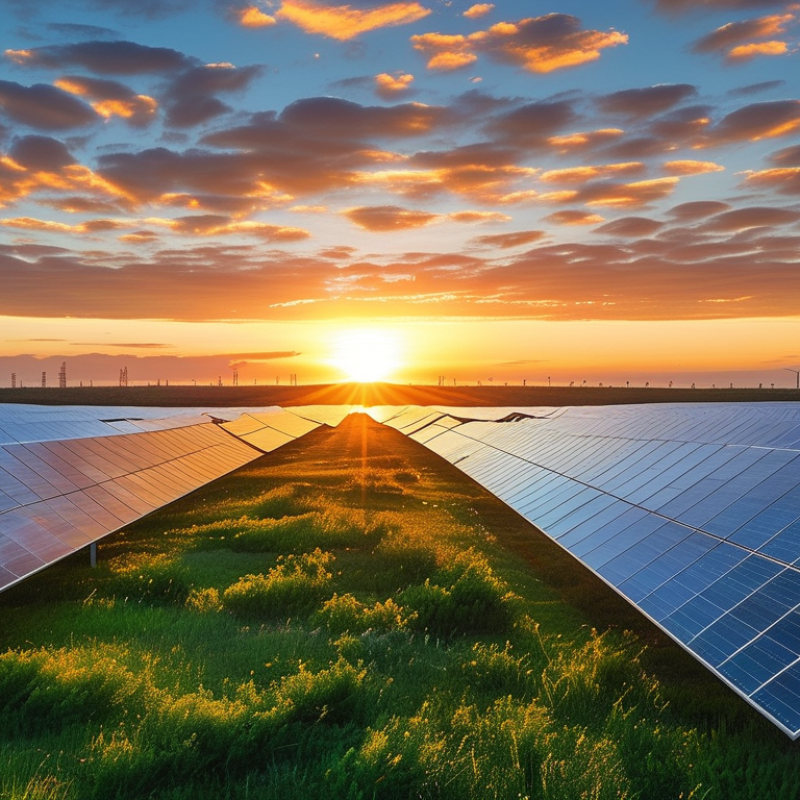
Low frequency solar inverters play a crucial role in solar energy systems. They convert low-voltage DC from solar panels into usable AC power. This makes them especially suitable for off-grid applications, where consistency is key. They function effectively in scenarios where high input power and rugged conditions are necessary. Reports indicate that these inverters can operate efficiently across a range of temperatures. They are designed to support systems with varying loads, enhancing their versatility.
In addition to their operational benefits, low frequency inverters have a longer lifespan compared to high-frequency inverters. Some studies suggest that they can last over 15 years with proper maintenance, whereas their high-frequency counterparts might only last about 5 to 10 years. However, they are bulkier and heavier, which complicates installation in limited spaces. Users sometimes overlook this when planning installations. Choosing the right inverter hinges on understanding individual energy needs and installation conditions, thus impacting overall efficiency.
As the solar industry evolves, the reliance on low frequency inverters continues to grow, particularly in areas with unstable grids. Concerns about their initial cost can deter some users. Yet, long-term savings and improved energy reliability often outweigh this initial investment. Regular assessment of performance and alternative options is vital in making informed decisions. This proactive approach will ensure optimal energy utilization and system longevity.
Low frequency solar inverters play a crucial role in enhancing energy efficiency for both residential and commercial applications. These devices operate at lower switching frequencies, which reduces energy losses. According to industry reports, low frequency inverters can offer efficiency rates exceeding 90%. This is significantly higher than many standard inverters, which typically range between 80%-85%. Improved efficiency translates to a reduced carbon footprint and lower energy bills for users.
One of the key benefits of low frequency inverters is their ability to handle varying loads efficiently. They are particularly effective in environments where energy demand fluctuates. In addition, they often have a longer lifespan due to their robust design and reduced thermal stress. For instance, a recent study revealed that users of low frequency inverters reported maintenance costs up to 30% lower compared to high-frequency alternatives. This reliability can lead to better overall system performance and increased return on investment.
Despite their advantages, low frequency solar inverters are not without challenges. Some users may find them less compatible with newer, high-tech systems. This can cause potential integration issues. Additionally, while initial costs may be higher, the long-term savings can be significant. This aspect needs careful consideration when selecting the right inverter for specific energy needs. Reflecting on those factors can lead to smarter energy decisions.
When selecting a low frequency solar inverter, several key features should guide your choice. Look for efficiency ratings that indicate how well the inverter converts solar energy into usable power. High efficiency can lead to noticeable energy savings. Evaluate the inverter's capacity. It should ideally match your total power consumption to optimize performance during peak usage times.
Consider the build quality and durability of the inverter. Solar inverters must withstand various weather conditions. Ensure the model has a good IP rating for moisture and dust protection. Check for warranties and customer support services, as these reflect a manufacturer's confidence in their product.
Here are some tips to enhance your energy use. Monitor your energy consumption regularly. This helps identify trends and potential areas for saving energy. Invest in solar batteries for storage to maximize your energy efficiency during nighttime and cloudy days. Regular maintenance of your solar system ensures optimal performance over time.
| Feature | Description | Importance | Value |
|---|---|---|---|
| Output Power | The amount of power the inverter can output. | High output power ensures sufficient energy supply. | 1 kW - 10 kW |
| Input Voltage Range | The range of input voltage the inverter can handle. | Wider range allows for more flexibility in system design. | 100V - 400V |
| Efficiency Rating | The efficiency of converting DC to AC. | Higher efficiency means less energy loss. | 85% - 95% |
| Cooling System | The method used to cool the inverter. | Efficient cooling improves lifespan and performance. | Active / Passive |
| Protection Features | Safety features protecting against potential faults. | Essential for safety and reliability of the system. | Overvoltage, Overcurrent, Short-circuit |
Installing and maintaining low-frequency solar inverters is crucial for efficient energy use. These inverters convert DC power from solar panels into AC power with minimal losses. According to industry standards, a well-installed inverter can achieve up to 95% efficiency. However, improper installation can lead to energy wastage.
Before installation, ensure the inverter is placed in a cool, dry location. Excessive heat can reduce its efficiency. Regular maintenance is equally important. Dust and debris can obstruct ventilation, leading to overheating. Cleaning the inverter every few months can enhance performance.
Tip: Monitor voltage and current regularly. This helps identify potential issues early on. Keep an eye on the inverter's display for diagnostic codes. Understanding these alerts can prevent costly repairs.
Ultimately, assessing the inverter's environment is crucial. Ensure there is adequate space around the unit. Using proper cables according to specifications is essential for safety and efficiency. Misconfigurations can lead to unexpected performance drops. Regular training can help users become more aware of best practices.
Low frequency solar inverters can significantly enhance energy efficiency. However, users often face challenges that may hinder their effectiveness. One common issue is voltage fluctuation. Inconsistent output voltage can damage connected appliances. Regular checks on voltage levels help ensure stable performance. Adjusting configurations based on real-time demands can mitigate these fluctuations.
Another challenge is heat management. Low frequency inverters generate heat, which can impact their lifespan. Ensuring adequate ventilation in installation areas is crucial. Users should periodically inspect cooling systems. Failure to do so could lead to premature inverter failure. Regular maintenance checks can prevent costly repairs. It's essential to monitor both temperature levels and inverter performance for optimal operation.
Lastly, improper installation often leads to inefficiencies. Some users neglect the importance of proper orientation and connection. This can result in lower energy output. Engaging a qualified technician for installation ensures adherence to best practices. It's a step that can save time and resources in the long run. In reality, even minor adjustments can yield significant benefits. Reflection on these aspects is key for maximizing energy use.
: They convert low-voltage DC from solar panels into usable AC power. This is crucial for off-grid applications.
With proper maintenance, they can last over 15 years. This is significantly longer than high-frequency inverters.
They are heavier and bulkier. This can complicate installation in limited spaces.
Higher efficiency ratings indicate better conversion of solar energy. This can lead to noticeable energy savings over time.
An improper installation can lead to energy wastage. It's important to place the inverter in a cool, dry environment.
Regular cleaning and monitoring of voltage and current are key. Dust can obstruct ventilation, causing efficiency drops.
Good warranties and customer support reflect the manufacturer's confidence. They are essential for peace of mind.
Investing in solar batteries for storage can help. This allows for energy use during nighttime or cloudy days.
Users should check diagnostic codes on the inverter’s display. Early detection of issues can prevent costly repairs.
It enhances awareness of best practices. More informed users can better maintain their solar systems.
Low Frequency Solar Inverters play a crucial role in maximizing energy efficiency in solar power systems. Understanding their applications allows users to harness solar energy effectively, benefiting from reduced energy costs and a lower carbon footprint. These inverters are particularly valuable in off-grid setups and areas with unreliable power supply, offering reliability and stability.
When selecting a Low Frequency Solar Inverter, it is essential to consider key features such as output capacity, efficiency ratings, and compatibility with existing electrical systems. Proper installation and maintenance practices can significantly enhance inverter performance and longevity. However, common challenges such as voltage fluctuations and system overheating can be addressed through careful planning and regular servicing, ensuring optimal operation of the Low Frequency Solar Inverter throughout its lifespan.

PASS POWER