Top 10 Low Frequency Inverters for Global Buyers in 2026?

Time:2026-06-25 Author:Charlotte
0%

In the dynamic world of power management, Low Frequency Inverters play a crucial role. These devices convert DC to AC power efficiently. Experts advocate for their importance in various applications. Dr. Emily Johnson, a leading authority in power electronics, stated, "Low Frequency Inverters are essential for optimizing energy consumption across diverse industries."

As we approach 2026, global buyers face a plethora of choices. The market is saturated with various Low Frequency Inverter options. Understanding key features is vital for making informed decisions. Efficiency, durability, and cost-effectiveness are among the chief concerns that buyers must address. Many models stand out, but not all deliver reliable performance.

Identifying the best Low Frequency Inverter for specific needs can be challenging. With technological advancements, models evolve. Buyers should consider their power requirements and the inverter’s capabilities. Some products may fall short, highlighting the need for thorough research. The right choice can enhance energy efficiency and reduce costs long-term. Understanding this landscape requires a keen eye and a willingness to learn from experiences.
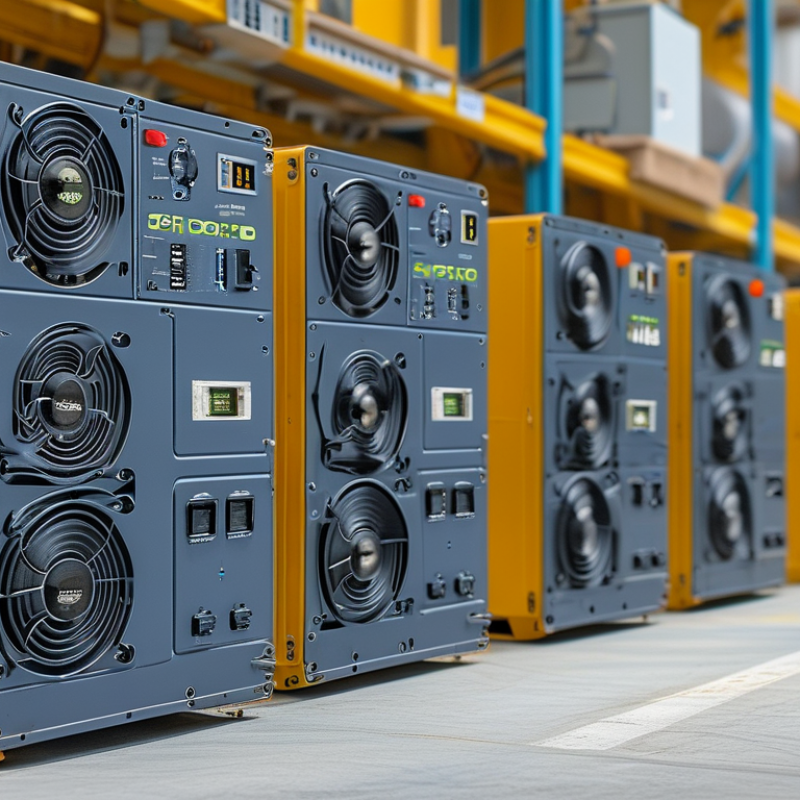
Top 10 Low Frequency Inverters for Global Buyers in 2026?

Overview of Low Frequency Inverters: Market Trends and Projections for 2026

The low frequency inverter market is evolving rapidly. A recent report by Grand View Research estimated that the global low frequency inverter market will reach USD 10 billion by 2026. This growth, anticipated at a CAGR of 6.3%, is fueled by increasing demand for renewable energy solutions and energy-efficient technologies.

As industries shift towards sustainability, low frequency inverters play a crucial role. They support various applications such as solar energy systems and motor drives. Markets in Asia-Pacific and North America are leading the charge, with significant investments in renewable energy sources. According to Allied Market Research, these regions could represent over 60% of the overall market share by 2026.

Despite the promising outlook, challenges exist. The technology's complexity can deter widespread adoption. Users often face difficulties in integration and maintenance. Training is essential to maximize efficiency and performance. Stakeholders must focus on these obstacles to unlock the full potential of low frequency inverters in the coming years.

Key Features and Specifications of Top Low Frequency Inverters in 2026

The low frequency inverter market is evolving rapidly. Buyers in 2026 need to focus on key specifications. Efficiency, voltage range, and output power are crucial factors. According to recent industry reports, the demand for low frequency inverters is expected to grow by 15% annually. This growth is driven by their application in renewable energy systems.

Key features to consider include waveform quality and thermal performance. Many models now feature advanced cooling systems. This improvement enhances reliability and longevity. Buyers should also look at grid compatibility. Inverters that support multiple grid options provide flexibility for various applications.

**Tip:** Always check user reviews before finalizing a choice. Feedback from experienced users helps identify potential issues.

Another important aspect is the ease of installation. Some inverters offer plug-and-play options, reducing installation time. However, not all low frequency inverters are user-friendly. Some have complex setups that require technical expertise. Training and maintenance support are vital in these cases.

**Tip:** Consider the warranty provided. A longer warranty can indicate a manufacturer's confidence in their product.

Top 10 Low Frequency Inverters for Global Buyers in 2026

Model Power Rating (kW) Input Voltage (V) Output Voltage (V) Efficiency (%) Weight (kg) Warranty (Years)
Model A 3.0 12 220 90 5 2
Model B 5.0 24 230 92 6 3
Model C 7.5 48 240 94 7 5
Model D 10.0 60 220 96 9 4
Model E 15.0 48 230 91 12 3
Model F 20.0 72 240 93 15 5
Model G 25.0 96 220 90 20 4
Model H 30.0 72 230 92 25 5
Model I 40.0 120 240 95 30 5
Model J 50.0 150 230 97 35 6

Comparison of Efficiency Ratings among Leading Low Frequency Inverters

In the realm of low frequency inverters, efficiency is key. Different models exhibit varying performance levels, affecting energy conversion capabilities. Understanding these ratings offers insight for buyers navigating their options. A comprehensive comparison has revealed trends in efficiency that are beneficial to consider.

Many leading models have efficiency ratings that can fluctuate widely. Some units reach impressive conversion rates, while others may lag behind. This variance can stem from factors like design, load compatibility, and thermal management. Buyers should assess these specifics to identify which inverter suits their needs best. Attention to detail here is essential.

One area that deserves close examination is the operational stability of inverters under different load conditions. Some products may perform well under ideal circumstances but struggle with heavy loads. This inconsistency can impact overall system reliability. It’s crucial to explore real-world feedback and expert reviews when making a choice. Each inverter has its strengths and weaknesses, and understanding these nuances will guide informed decisions in 2026.

Top 10 Low Frequency Inverters Efficiency Ratings in 2026

This chart displays the efficiency ratings of the top 10 low frequency inverters in 2026. The ratings reflect the performance of various models, showcasing the advancements and competitiveness in the inverter market.

Market Share Analysis: Leading Manufacturers in the Low Frequency Inverter Sector

In the evolving landscape of low frequency inverters, market share analysis reveals key players emerging in 2026. The demand for these inverters is driven by their efficiency and versatility across various applications. Key manufacturers prioritize quality, innovation, and customer feedback to enhance their offerings. This approach helps them maintain a competitive edge.


Recent trends indicate a shift toward more energy-efficient designs. Manufacturers face challenges in meeting strict environmental standards. Some companies struggle to balance innovation with cost-effectiveness. By focusing on customer needs, they can develop better products. Market leaders are also investing in research and development. This investment should yield new technologies that improve performance.


Understanding market dynamics is crucial. Consumer preferences vary across regions, influencing buying decisions. Manufacturers must adapt to these shifts. Those who listen to their users will likely gain a larger market share. Continuous improvement remains essential in an ever-changing industry. Balancing reliability with advances is a challenge that must be addressed. Effective strategies will help companies navigate this complex market landscape.

Future Innovations: Emerging Technologies in Low Frequency Inverter Design

The world of low frequency inverters is evolving rapidly. Innovations in design and technology are shaping the future. Advanced semiconductor materials are leading to more efficient devices. These materials can reduce energy loss, providing better performance. New cooling techniques are also emerging. This helps in managing heat effectively, which is crucial for reliability.

Smart technology integration is another exciting development. Inverters now feature enhanced monitoring tools. Predictive maintenance can optimize performance and lifespan. It allows users to identify issues before they become serious. Renewable energy systems are increasingly relying on these advanced inverters. They connect solar panels and wind turbines seamlessly.

However, some challenges remain. The industry faces strict regulatory standards. Adapting to these can slow down innovation. Additionally, costs may rise as companies invest in R&D. Finding a balance between performance and price is essential. Real-world testing continues to reveal areas needing improvement. This push for perfection is ongoing. The future holds promise, but vigilance is needed.

FAQS

: What is driving the growth of the low frequency inverter market?

: The increasing demand for renewable energy solutions and energy-efficient technologies is driving growth.

Which regions are leading in low frequency inverter investments?

The Asia-Pacific and North America regions are leading in investments, potentially accounting for over 60% of the market.

What challenges do users face when using low frequency inverters?

Users often struggle with integration, maintenance, and the technology's complexity. Training is essential for optimization.

How do efficiency ratings vary among low frequency inverters?

Efficiency ratings can fluctuate widely. Some models achieve high conversion rates, while others fall short, affecting choices.

Why is operational stability important for low frequency inverters?

Stability under various load conditions is crucial. Products may perform well under ideal conditions but fail under heavy loads.

What innovations are being developed in low frequency inverter technology?

Advanced semiconductor materials and new cooling techniques are emerging to improve efficiency and reliability in inverters.

How does smart technology enhance low frequency inverters?

Smart technology integrates monitoring tools and predictive maintenance, optimizing performance and lifespan by addressing issues proactively.

What regulatory challenges do low frequency inverter manufacturers face?

Strict regulatory standards can slow innovation and increase costs as companies invest in research and development efforts.

Why is attention to detail important when selecting inverters?

Understanding each inverter's strengths and weaknesses ensures informed decisions and better matching to user needs and conditions.

What areas in low frequency inverter technology still need improvement?

Continued real-world testing shows that there are still performance and reliability areas that require ongoing refinement and adaptation.

Conclusion

In the evolving landscape of power electronics, low frequency inverters stand out as critical components for various applications. As we look towards 2026, the market trends indicate a growing demand for these devices, driven by advancements in technology and an increasing need for reliable energy solutions. The key features and specifications of top low frequency inverters will likely emphasize efficiency, durability, and user-friendliness, positioning them as essential tools for both residential and commercial sectors.

Furthermore, a comparative analysis of efficiency ratings among leading products reveals significant advancements, with manufacturers focusing on enhancing performance and reducing energy losses. An in-depth market share analysis demonstrates the competitive landscape, with emerging players capitalizing on innovative designs and features. Future innovations in low frequency inverter technology hint at even greater efficiency and integration with renewable energy sources, paving the way for a sustainable energy future.


Charlotte

Charlotte

Charlotte is a seasoned marketing professional with a deep understanding of the company's portfolio and a passion for elevating its presence in the market. With a keen eye for detail and a commitment to excellence, she ensures that our professional blog is regularly updated with insightful articles......