In the rapidly evolving world of energy solutions, choosing the right DC AC inverter is crucial. Industry expert Dr. Emily Carter once said, "The right inverter can transform how we harness energy." Her insight emphasizes the importance of selecting a model that meets specific power needs.
With various models available, making the right choice can feel overwhelming. An effective DC AC inverter is essential for both household and commercial applications. It converts direct current (DC) to alternating current (AC), enabling smoother operations for your appliances. This technology powers everything from kitchens to workshops.
However, not all inverters are created equal. Some may lack efficiency, leading to wasted energy. It's essential to understand your power requirements to avoid choosing the wrong product. A thoughtful analysis of your needs will guide you in discovering the perfect model for your power demands.
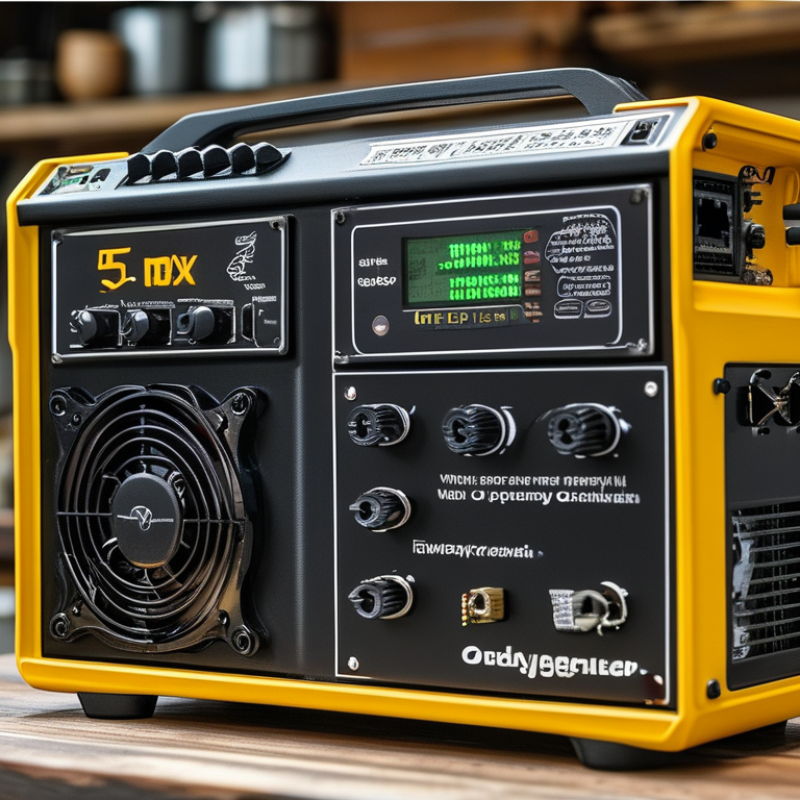
DC to AC inverters are essential devices that convert direct current (DC) into alternating current (AC). This technology is crucial for powering household appliances. Understanding how these inverters function can improve your ability to choose the right one for your power needs.
Inverters use complex electronic circuitry to perform the conversion. They can vary in efficiency and capacity. Knowing the difference between high-frequency and low-frequency inverters can be important. High-frequency models are typically lighter and can be more efficient for smaller applications. However, they might not handle larger loads well. Low-frequency models are robust and can support larger systems, but they often come with added weight and cost.
When choosing an inverter, consider your specific requirements. Different applications demand different power outputs. You should also think about the environment in which the inverter will operate. For example, heat can affect performance. Proper ventilation is key. Many users overlook factors like surge rating and sustained output, which can lead to inadequate performance. Evaluating your needs aligns well with understanding the inverter's specifications. This detailed approach can help you avoid overspending on features you may not require.
When selecting an inverter model, it's essential to assess several vital features. First, check the inverter's power rating. This determines how much energy it can handle. An inverter with a higher wattage provides better efficiency. It ensures that your devices won’t overload. Efficiency ratings are also crucial. Look for models with high conversion efficiency. A high-efficiency inverter reduces energy loss during power conversion.
Another feature to consider is waveform output. Inverters typically produce modified sine wave or pure sine wave output. Pure sine wave inverters are better for sensitive electronics. They prevent potential damage and ensure stable operation. Also, consider the inverter’s size and weight. A lightweight, compact model is advantageous for portability.
Lastly, review the inverter’s safety features. Overload protection and short-circuit protection are essential. They safeguard your devices from unexpected surges. User reviews can also provide insights into reliability. While specifications are important, real-world experiences can highlight any flaws. Choosing the right inverter requires careful thought and consideration. Each choice can impact your power needs significantly.
When selecting a DC to AC inverter, understanding its specifications is crucial. The market offers a variety of models designed to meet diverse power requirements. According to a report from the International Renewable Energy Agency, the inverter efficiency can significantly affect overall energy performance. Many top models achieve over 90% efficiency, yet some may fall below that, leading to energy loss.
Let's discuss several key factors. The power output is essential; it needs to match your appliance needs. For example, a model with 2000 watts could power household tools. However, smaller units may not handle high demands effectively. The surge capacity is another aspect; it's vital for devices that require more power to start up.
Moreover, durability plays a role in the inverter's long-term functioning. Some inverters come with advanced cooling systems. They can operate in high temperatures, preventing overheating. However, not all models offer this feature, which may lead to operational issues. Reliability can vary across different models, so it’s important to research user reviews carefully. Being informed about these details enhances your selection process and ensures you choose a model suited for your needs.
| Model | Power Output (W) | Efficiency (%) | Input Voltage (V) | Weight (lbs) | Price ($) |
|---|---|---|---|---|---|
| Inverter Model A | 3000 | 90 | 12 | 25 | 499 |
| Inverter Model B | 5000 | 95 | 24 | 30 | 699 |
| Inverter Model C | 2000 | 88 | 12 | 22 | 399 |
| Inverter Model D | 4000 | 92 | 48 | 28 | 599 |
| Inverter Model E | 3500 | 87 | 24 | 26 | 459 |
When selecting a DC to AC inverter, understanding its applications is crucial. These inverters are primarily used in solar power systems, automotive applications, and backup power solutions. For example, in solar energy systems, inverters convert the direct current generated by solar panels into alternating current for home use. According to the International Energy Agency, the solar power capacity has increased by over 30% annually since 2010, highlighting the growing demand for efficient inverters.
In automotive scenarios, inverters are essential for powering electronic devices. They provide electricity for appliances like laptops and refrigerators while on the road. The automotive industry report indicated a steady rise in demand for inverters, expected to grow by 7% CAGR through 2027. This surge reflects a shift towards electric vehicles, requiring reliable inverter systems for performance.
Backup power solutions often utilize inverters to ensure energy availability during outages. Data from the National Renewable Energy Laboratory suggests that inverter quality directly impacts system reliability and efficiency. In real-world scenarios, users have reported that inverter selection can influence battery lifespan and energy output. Thus, evaluating inverters based on their specific applications can lead to more effective energy solutions for both residential and commercial needs.
Maintaining and optimizing the performance of your DC to AC inverter requires consistent effort. Regularly check the inverter's connections and wiring for signs of wear or corrosion. Loose connections can lead to inefficiency and decreased output. Cleaning the inverter's exterior is also vital. Dust and debris can block ventilation, leading to overheating.
Monitoring the inverter's performance metrics is essential. Keep an eye on the power output and efficiency levels. If you notice inconsistent readings, it might indicate underlying issues. Furthermore, avoid overloading your inverter. This can stress the unit and shorten its lifespan. Based on your energy needs, make sure the inverter is appropriately rated.
Lastly, consider the location of your inverter. Placing it in a cool, well-ventilated area is beneficial. High temperatures can impact performance significantly. If possible, find ways to provide additional cooling. Even small adjustments can lead to improved efficiency. Regular maintenance and monitoring will ensure that your inverter consistently meets your power requirements.
C inverter?
Efficiency can differ based on inverter type, capacity, and load management.
They are lighter and more efficient for smaller applications but struggle with larger loads.
They support larger systems but are heavier and often more expensive.
Heat can affect performance, leading to inefficiency or even failure.
Inspect connections and wiring for wear, corrosion, or looseness regularly.
Dust and debris accumulation can impede airflow and cause overheating.
Overloading can stress the unit, potentially shortening its operational life.
Place the inverter in a cool, well-ventilated area to enhance performance.
Inconsistent power output or efficiency readings may indicate underlying problems needing attention.
In the article titled "Top 5 DC AC Inverter Models to Boost Your Power Needs," a comprehensive overview of DC AC inverters is presented, highlighting their significance in converting direct current (DC) to alternating current (AC) for various applications. Key features such as efficiency, capacity, and durability are emphasized as crucial factors when selecting the appropriate inverter model.
The article also reviews and compares five top DC AC inverter models, detailing their ideal applications, which range from home energy systems to recreational vehicles. Additionally, it provides valuable tips for maintaining and optimizing the performance of inverters, ensuring they operate effectively over time. This information serves as a practical guide for users looking to enhance their power solutions with the right DC AC inverter.

PASS POWER