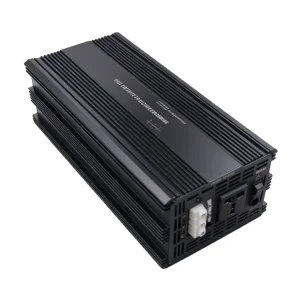
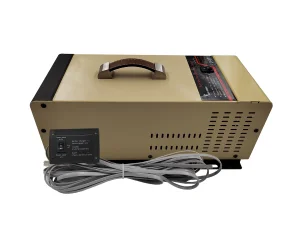
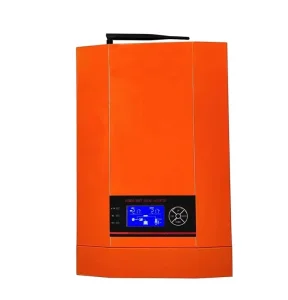
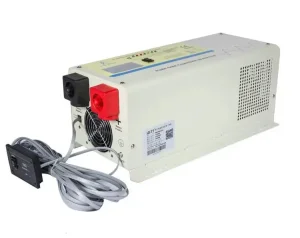
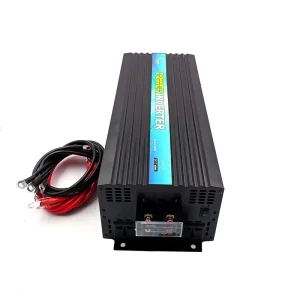
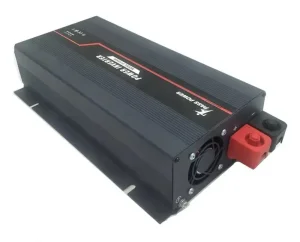
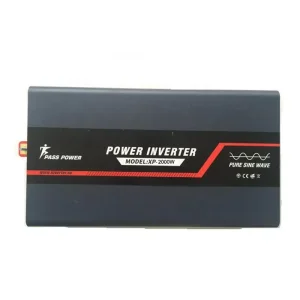
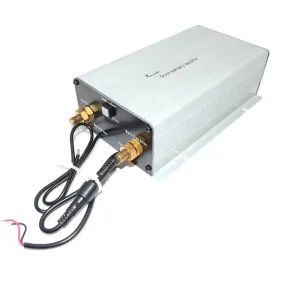
In the modern industrial landscape, short-circuit protection is no longer just a safety fuse; it is a sophisticated digital orchestration of hardware and software designed to preserve multi-million dollar infrastructures. As global power demands shift toward renewable energy and high-frequency DC systems, the "Short-Circuit Protection Function" has evolved into an "Intelligent Fault Management" system.
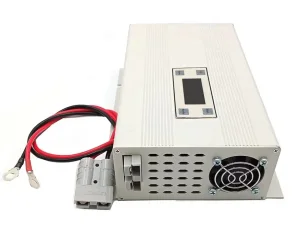
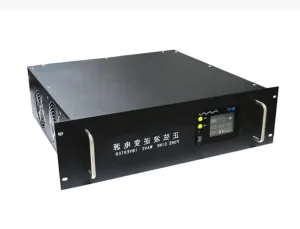
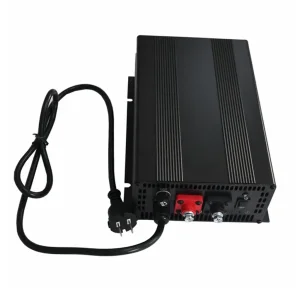
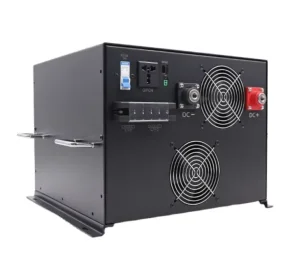
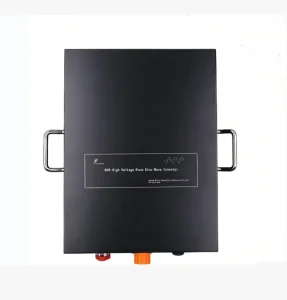
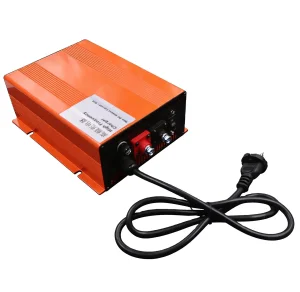
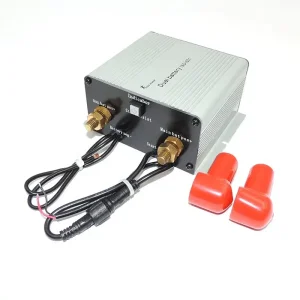
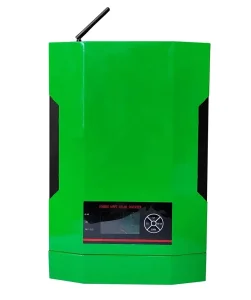
Traditionally, protection relied on thermal fuses or basic circuit breakers. Today, the trend is moving toward Real-time Waveform Analysis. Modern inverters and chargers, like those produced by Suzhou Maili, utilize DSP (Digital Signal Processors) to detect a short-circuit fault within microseconds—often before the peak current can damage sensitive MOSFETs or IGBTs.
Detection speeds under 10µs prevent thermal runaway in high-power systems.
Differentiating between "Inrush Current" (normal startup) and "Dead Shorts" to prevent nuisance tripping.
Systems that test the circuit and restart once the fault is cleared, reducing downtime in remote areas.
B2B buyers from Europe, North America, and Southeast Asia are no longer just looking at "Wattage." The procurement checklist now prioritizes System Resilience. Enterprises require documentation on Mean Time Between Failures (MTBF) and specific protection protocols under extreme temperature variations.
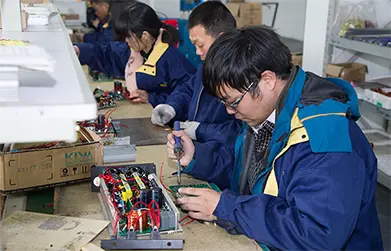
Located in the heart of China's technological hub, Suzhou Maili Electrical Appliance Co., Ltd. exemplifies the "Industry 4.0" transition. By integrating advanced production equipment with a strict ISO9001:2015 quality system, we ensure that every product's short-circuit protection function is tested under real-world fault conditions before shipping.
Automated SMT lines reduce human error in safety-critical component placement.
Direct access to the world's most robust power electronic component supply chain in Suzhou.
Tailoring safety protocols to your specific industrial application.
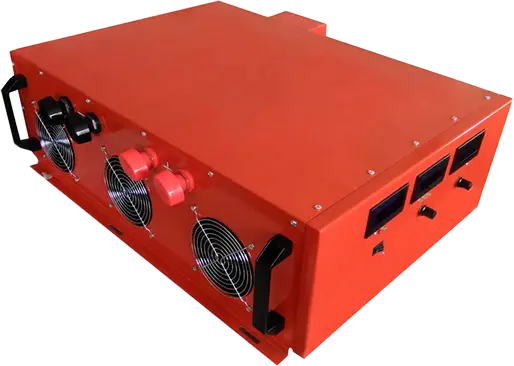
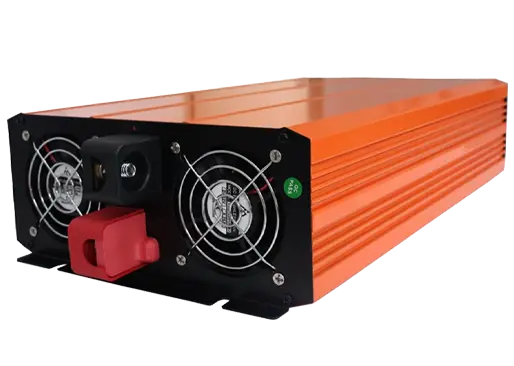
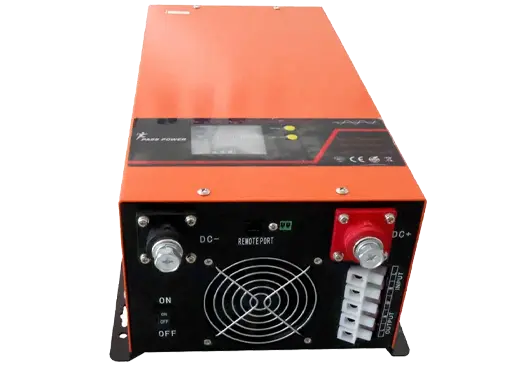
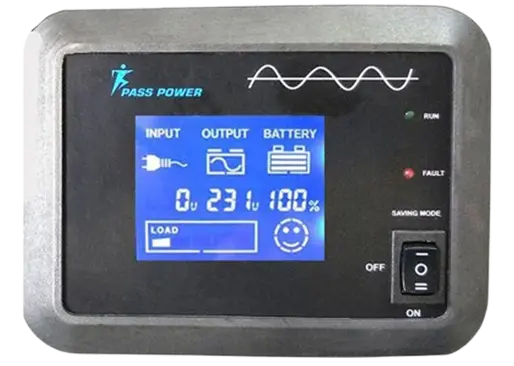
Where Reliability Meets Reality

Protecting high-capacity lithium batteries from accidental cable damage or inverter failure in remote installations.

Ensuring mobile vibration doesn't lead to short-circuit fires in compact vehicle compartments.

Protecting sensitive CNC machinery from grid fluctuations and internal faults during critical operations.
A: Our intelligent controllers use a soft-start algorithm paired with instantaneous peak-current monitoring. This allows for high inrush currents needed for motors while maintaining a 10µs shutdown threshold if a genuine short is detected.
A: Most our professional-grade inverters feature automatic retry. If a fault is detected, the unit shuts down and attempts a restart 3 times. If the short persists, it enters a hard-lock mode to prevent fire risks.
A: Yes, our components are industrial-grade and tested from -20°C to +50°C. Thermal compensation logic ensures the protection trip-point remains accurate regardless of ambient temperature.
A: Absolutely. Through our ODM service, we can program specific fault-detection windows and communication alerts (RS485/CAN) to integrate with medical safety protocols.
 PASS POWER