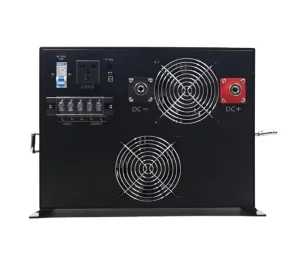
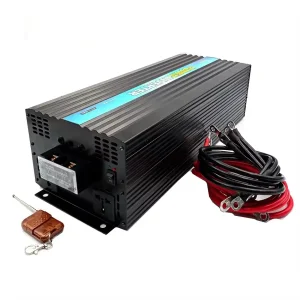
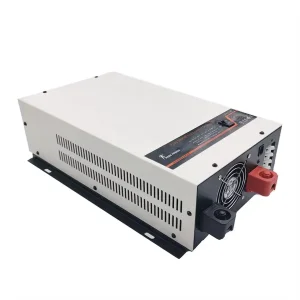
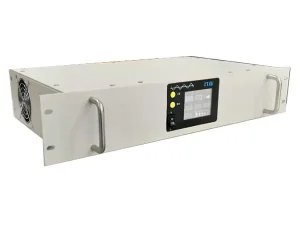
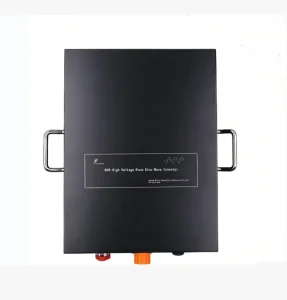
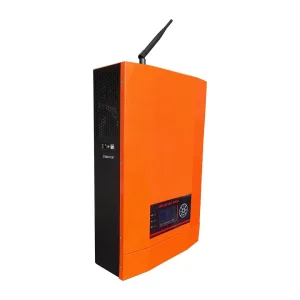
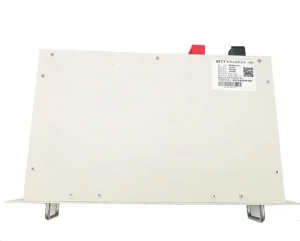
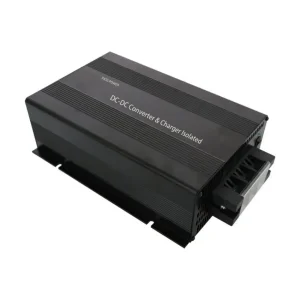
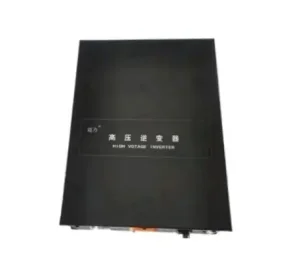
Low Frequency Inverter 7kw-10kw Tokyo Solutions

Premium Grade Power Systems for Tokyo's Industrial Resilience & Smart Grid Integration

Send Inquiry Now

🏙️ Tokyo Market Dynamics: Why Low Frequency Matters

In the dense commercial landscape of Tokyo—from the automated warehouses in Shinsuna to the high-tech medical clinics in Minato—power stability is not just a requirement; it is a critical asset. Tokyo operates on a 50Hz frequency grid (TEPCO area), which demands precision in inverter synchronization.

Low frequency inverters (7kW to 10kW) are the preferred choice for Tokyo's professional sector because of their massive copper transformers. Unlike high-frequency alternatives, these units offer superior peak power capacity, capable of handling the high-torque startups of industrial pumps, HVAC systems, and precision CNC machinery common in Ota City’s manufacturing hubs.

Business Continuity Planning (BCP): Following the energy shifts in Japan, companies are now prioritizing robust "Off-Grid" and "Hybrid" capabilities to ensure 24/7 operations during grid instability or seismic events.
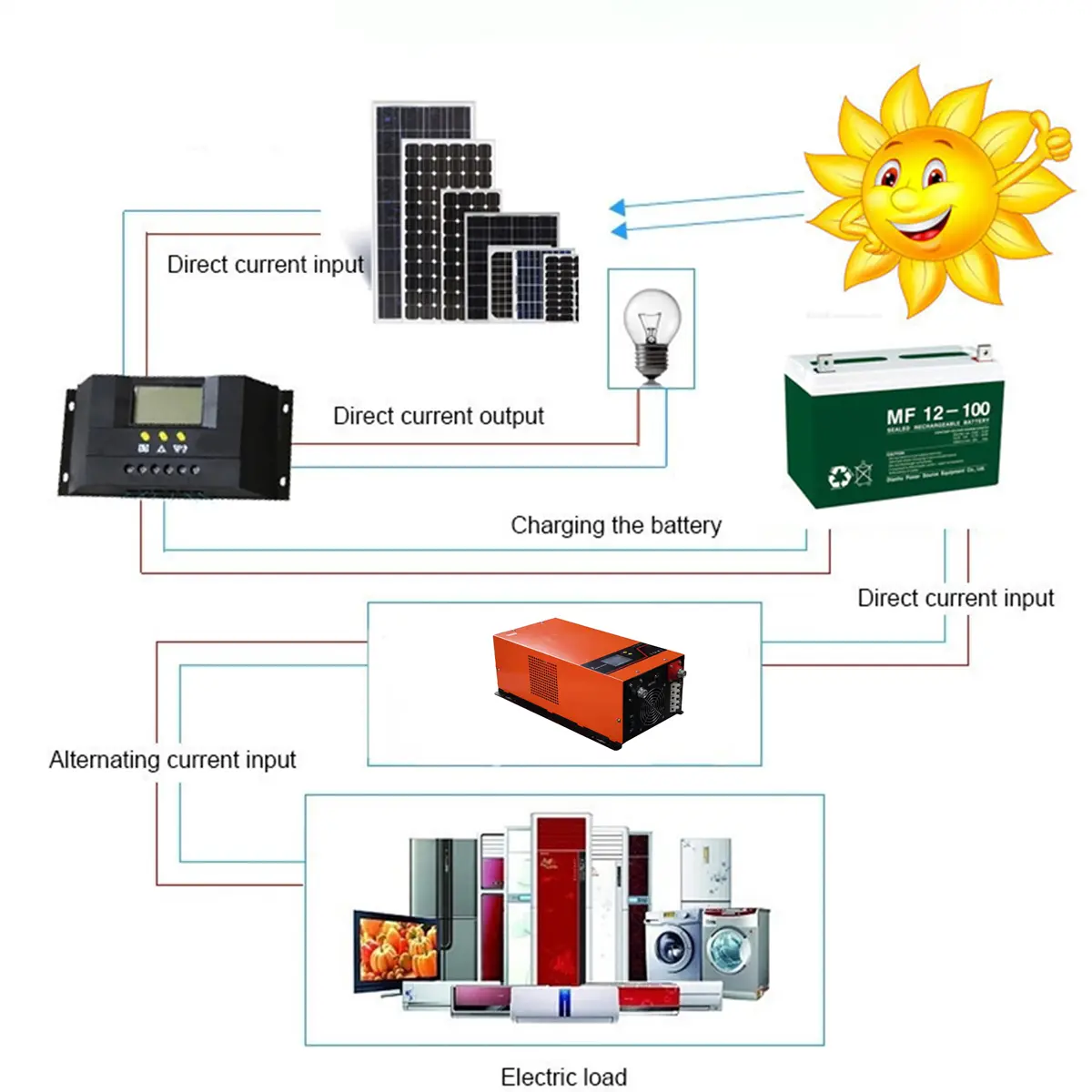
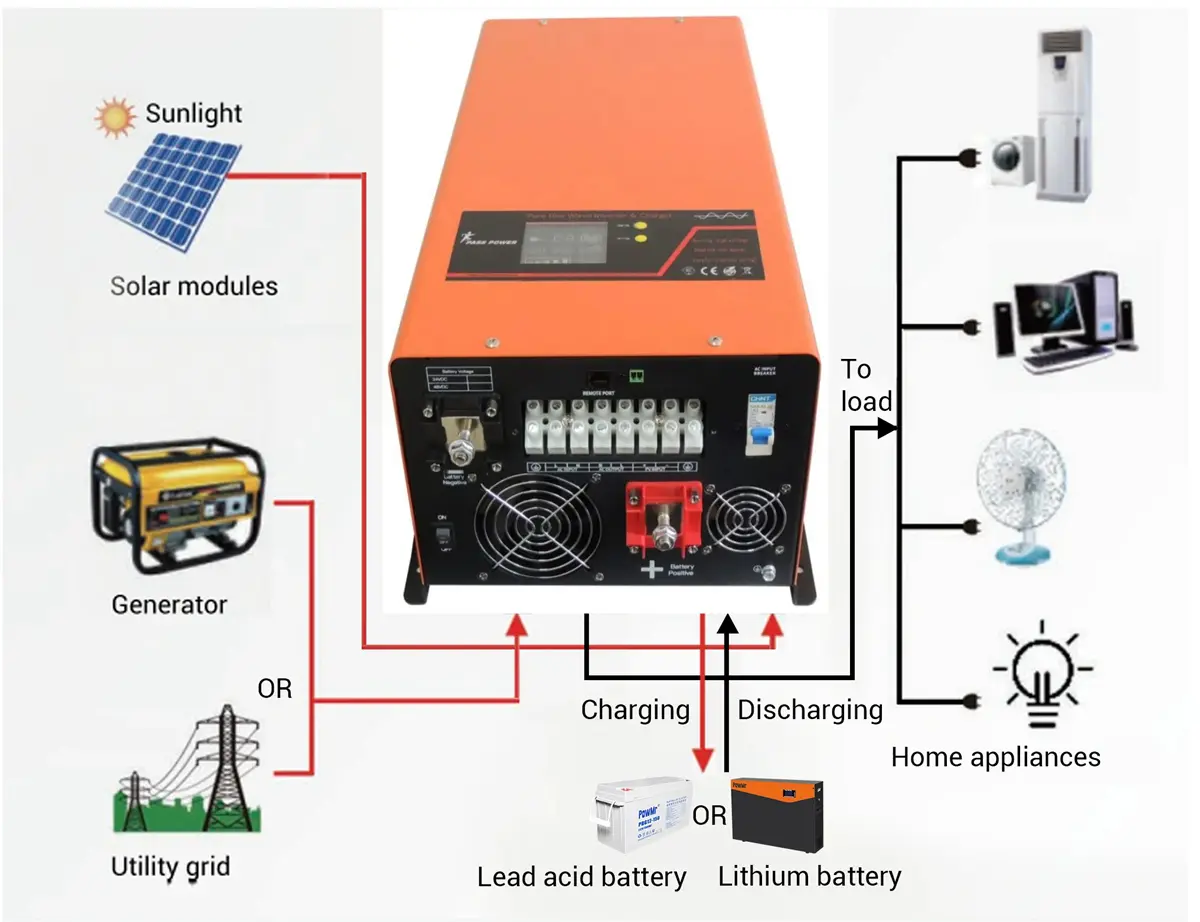
Tokyo Power Application Diagram

Industry-Leading Performance Metrics

95%

Peak Energy Efficiency

3:1

Surge Power Capability

13+

Years Engineering Expertise

0.01s

UPS Transfer Time

🛠️ Technical Roadmap & Future Outlook (2024-2030)

Future Power Tech Roadmap

The Evolution of Inverter Technology

  • Gallium Nitride (GaN) & SiC Integration: While current low-frequency units rely on robust iron-core transformers, our R&D is integrating SiC MOSFETs to reduce idle consumption by 30% while maintaining low-frequency durability.
  • AI-Driven Load Forecasting: Future 10kW models will feature smart modules that predict energy usage patterns in Tokyo commercial buildings, optimizing battery discharge cycles.
  • V2X & Grid Support: Bridging the gap between Electric Vehicles and Home/Office power systems (Vehicle-to-Everything), allowing 10kW systems to act as primary nodes in microgrids.
Download Technical Spec Sheets

🏭 China Factory 4.0: Supply Chain Resilience

Suzhou Maili Electrical Appliance Co., Ltd. represents the pinnacle of "Made in China 2025" logic. Our facility in Suzhou utilizes automated winding machines and AI-optical inspection (AOI) to ensure every 7kW-10kW inverter meets the stringent quality requirements of the Japanese market.

By controlling the entire value chain—from transformer core lamination to PCB assembly—we provide a 30-40% cost advantage over local Japanese brands without compromising on longevity. Our ISO9001:2015 certified process guarantees a Mean Time Between Failures (MTBF) exceeding 50,000 hours.
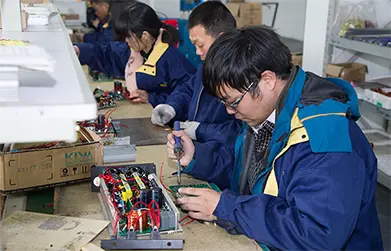
Factory Production Line

🌐 Serving Global Enterprises: Procurement & Compliance

Whether you are a solar EPC in Europe or a backup power wholesaler in Tokyo, our systems are built to comply with international standards including CE, ROHS, and specifically PSE-compliant components for the Japan region.

📋

Full Customization

OEM/ODM support for voltage (100V-240V), current limits, and communication protocols (RS485/CAN).

🚢

Logistics Excellence

Direct shipping from Suzhou to Yokohama/Tokyo ports within 7-10 days for bulk orders.

🛡️

Local Warranty

Extended warranty options and localized technical support for Tokyo-based engineering firms.

💎

Information Gain

Providing detailed harmonics analysis and thermal mapping for large-scale project tenders.

Q&A: Expert Insights for Tokyo Engineers

Q: Why should I choose a Low Frequency 10kW Inverter for Tokyo industrial sites?
A: Low frequency inverters utilize heavy-duty transformers which handle massive surge currents (up to 300% of rated capacity) and provide better "noise" isolation for sensitive electronics compared to high-frequency units. In Tokyo's industrial zones like Kawasaki/Ota-ku, this reliability is paramount for machinery longevity.
Q: Are these inverters compatible with Tokyo's 50Hz grid?
A: Yes, all our units are frequency-switchable (50Hz/60Hz). For the Tokyo market, we pre-configure the units to 50Hz to match the TEPCO grid standard, ensuring seamless synchronization and UPS transfer.
Q: What is the lead time for custom OEM orders from Suzhou to Tokyo?
A: Standard lead time for production is 15-20 days. Shipping from our Suzhou facility to Tokyo or Yokohama ports usually takes only 4-7 days via sea freight, making us one of the fastest international suppliers for the Japanese market.
Q: Can the 7kW-10kW units integrate with Lithium LiFePO4 battery systems?
A: Absolutely. Our charging algorithms are fully programmable to match the specific voltage curves of LiFePO4, Lead-Acid, and Gel batteries, common in Tokyo's modern BCP energy storage systems.

Ready to Secure Your Tokyo Power Infrastructure?

Partner with Suzhou Maili for high-performance, cost-effective, and ultra-reliable power solutions.

Get Your Tokyo Market Quote Today